Reimagining Soviet Georgia
Reimagining Soviet Georgia is a Tbilisi-based history initiative focused on the Soviet Union, Georgia and the South Caucasus, socialism and post-socialism. The podcast explores the complex history of the region during and after the Soviet era. It aims to provide a nuanced understanding of Georgia's past and its impact on the present. The show features discussions with historians, scholars, and local experts.
Episodes
Episode 75: The Death and Life of Southern Soviet Cities with David Leupold
On today's episode we discuss "The Death and Life of Southern Soviet Cities: Urban Futures and their Afterlives" with the book's author David Leupold. Book description:What does it mean, three decades after the demise of the USSR, to inhabit cities built for a future that has never arrived? In pursuit of the question – what is left of the socialist city? – this book aims not only
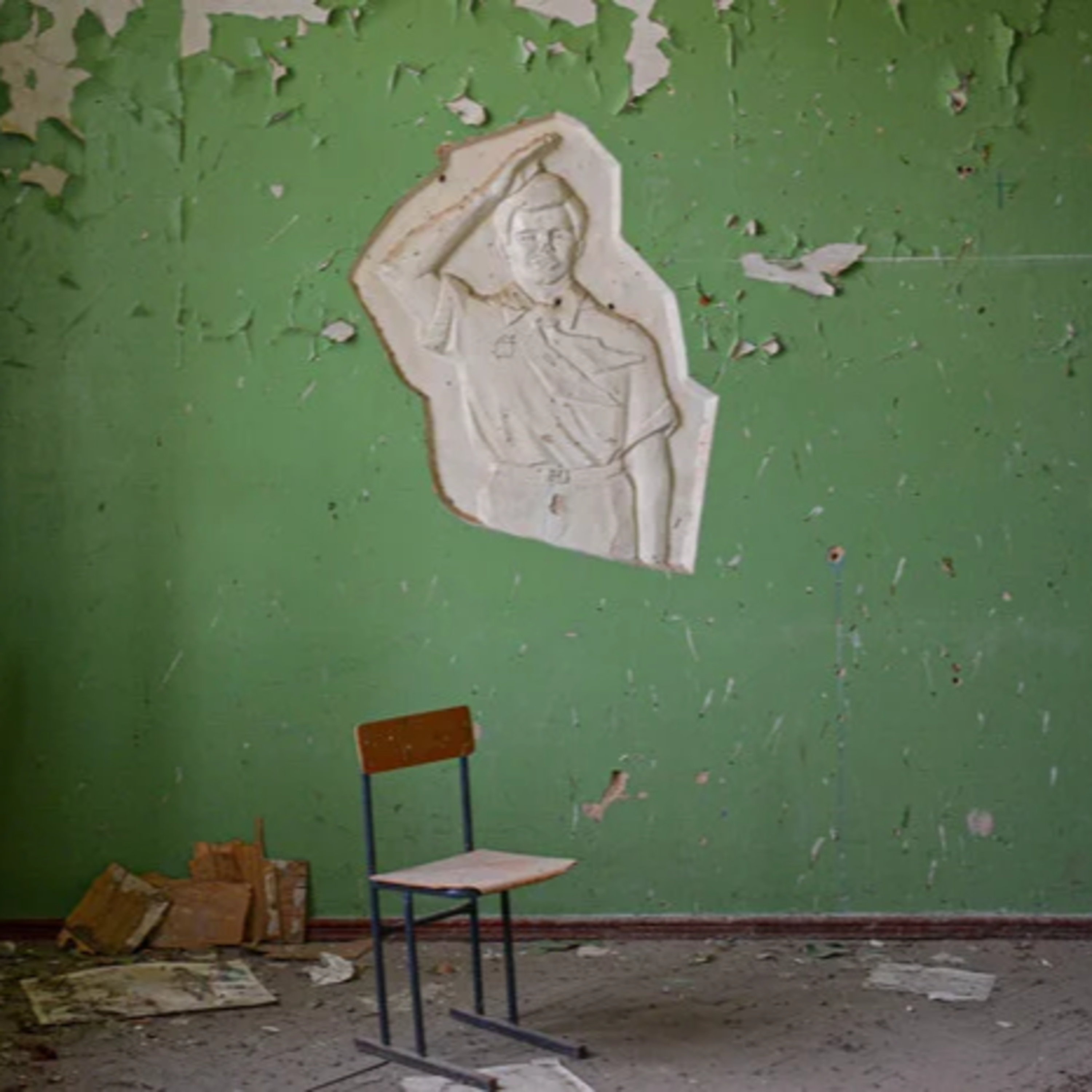
Episode 74: Education and Marketization in Georgia with Nika Maglaperidze
On today's episode we explore the development of secondary education in Georgia in the wake of the collapse of the Soviet Union and subsequent marketization processes. The education sector widely privatized resulting in lower quality education, poverty wages for teachers and ideological conflicts over curriculum. Why did this happen and what does it mean for secondary education in Georgia today? O
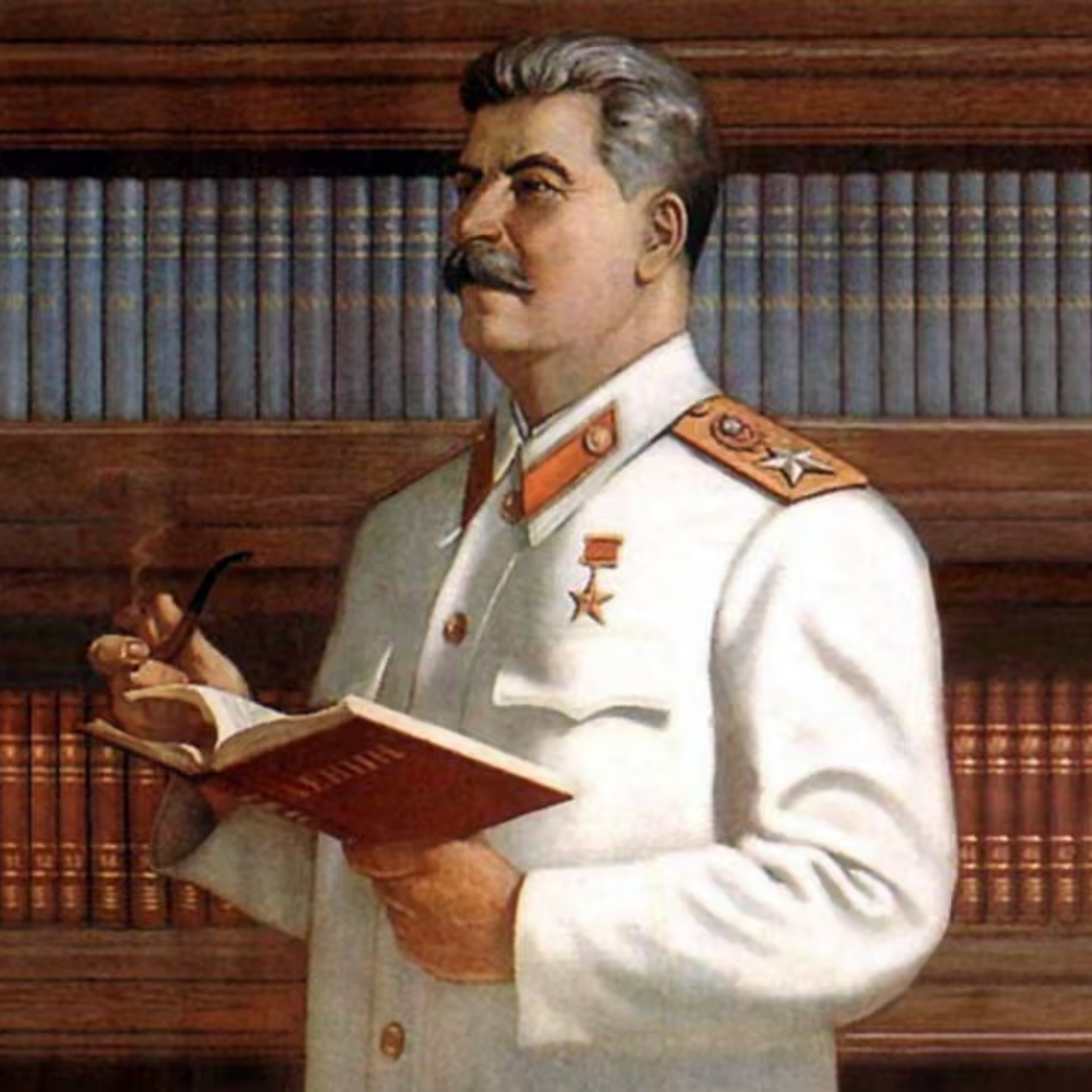
Episode 73: Stalin's Library with Geoffrey Roberts
On today’s episode we explore the political-intellectual world of Stalin, from his embrace of Marxism in Georgia at the turn of the century to his years in the Kremlin as head of the Soviet Union, with historian Geoffrey Roberts.Guiding our discussion is Roberts newest book Stalin’s Library (2022). In it, Roberts constructs a riveting intellectual biography of Stalin as a Marxist through Stalin
Episode 72: The European Union with Thomas Fazi
On today’s episode we discuss the ins and outs of the European Union and how it structurally, institutionally and ideologically reinforces its own legitimacy through “civil society” within current and prospective member states.Our guest is Thomas Fazi.Fazi is the author of the book The European Propaganda Machine: The Dark Side of NGOs, Media and Universities (2026) - (published in Italian).Book d
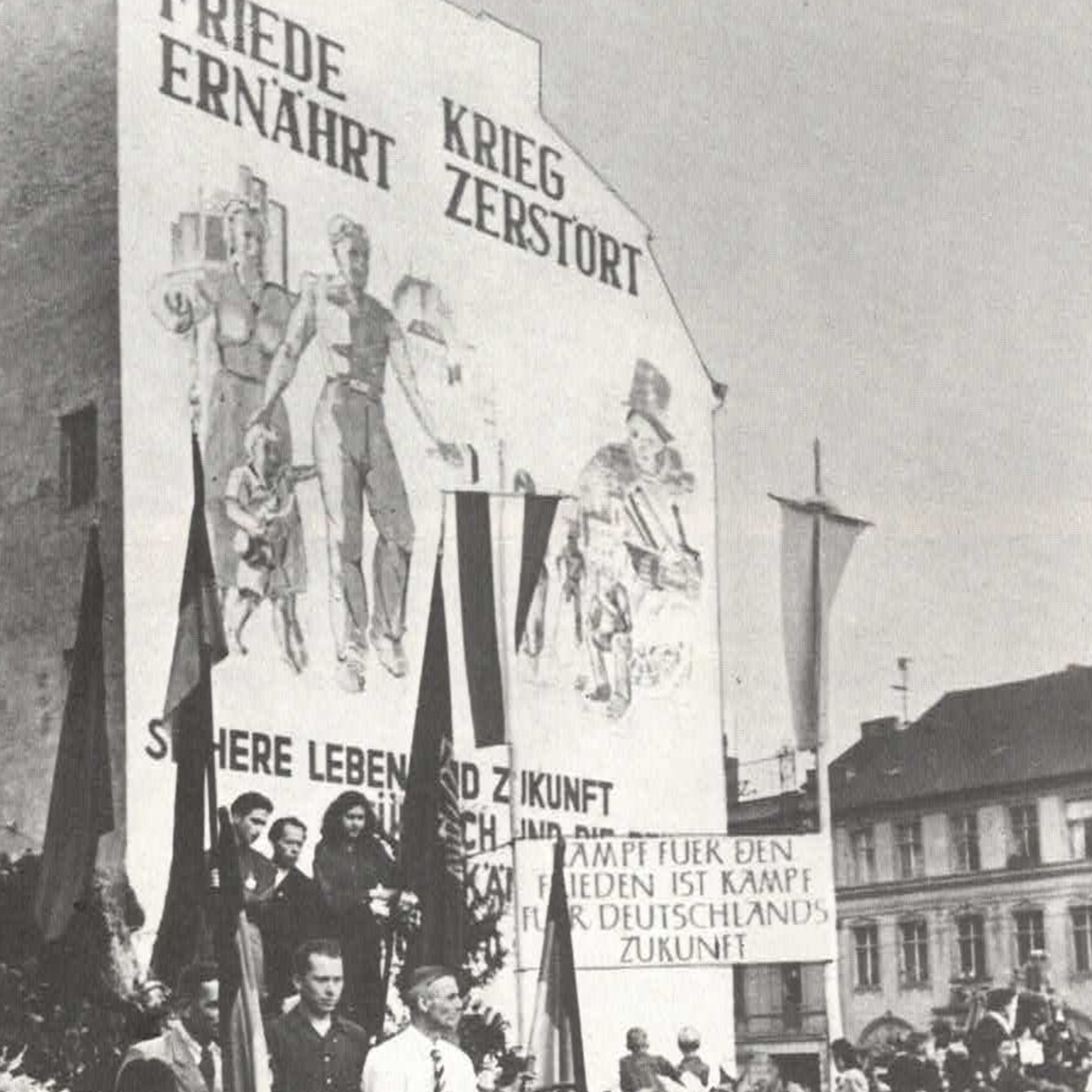
Episode 71: From Land Reform to Socialist Agriculture in the DDR with Max from IFDDR
On today’s episode we sit down with Max from International Research Centre DDR (IFDDR) to discuss their excellent study on land reform and socialist agriculture in the German Democratic Republic (known globally by it’s German acronym the DDR - Deutsche Demokratische Republik):The Land to Those Who Work It: From Land Reform to Socialist Agriculture in the DDRStudy description:Within just 45 years,
Episode 70: Cold War Liberalism with Daniel Bessner
On today’s episode we discuss Cold War liberalism with historian Daniel Bessner.In the mid-twentieth century, Cold War liberalism exerted a profound influence on the US state, US foreign policy, and liberal thought across the North Atlantic world. The ideology transformed politics, society, and culture writ large. From impacting US foreign policy in the Middle East, to influencing the ideological
Episode 69: From the Maidan to the Ukraine War with Ivan Katchanovski
On today's podcast we welcome Ivan Katchanovski to discuss his most recent book The Russia-Ukraine War and its Origins: From the Maidan to the Ukraine War (2025) . Ivan Katchanovski specializes in researching comparative politics, conflicts, political communication, and policy in Ukraine, the US, and Canada. He teaches at the School of Political Studies and the Conflict Studies and Human Rights Pr
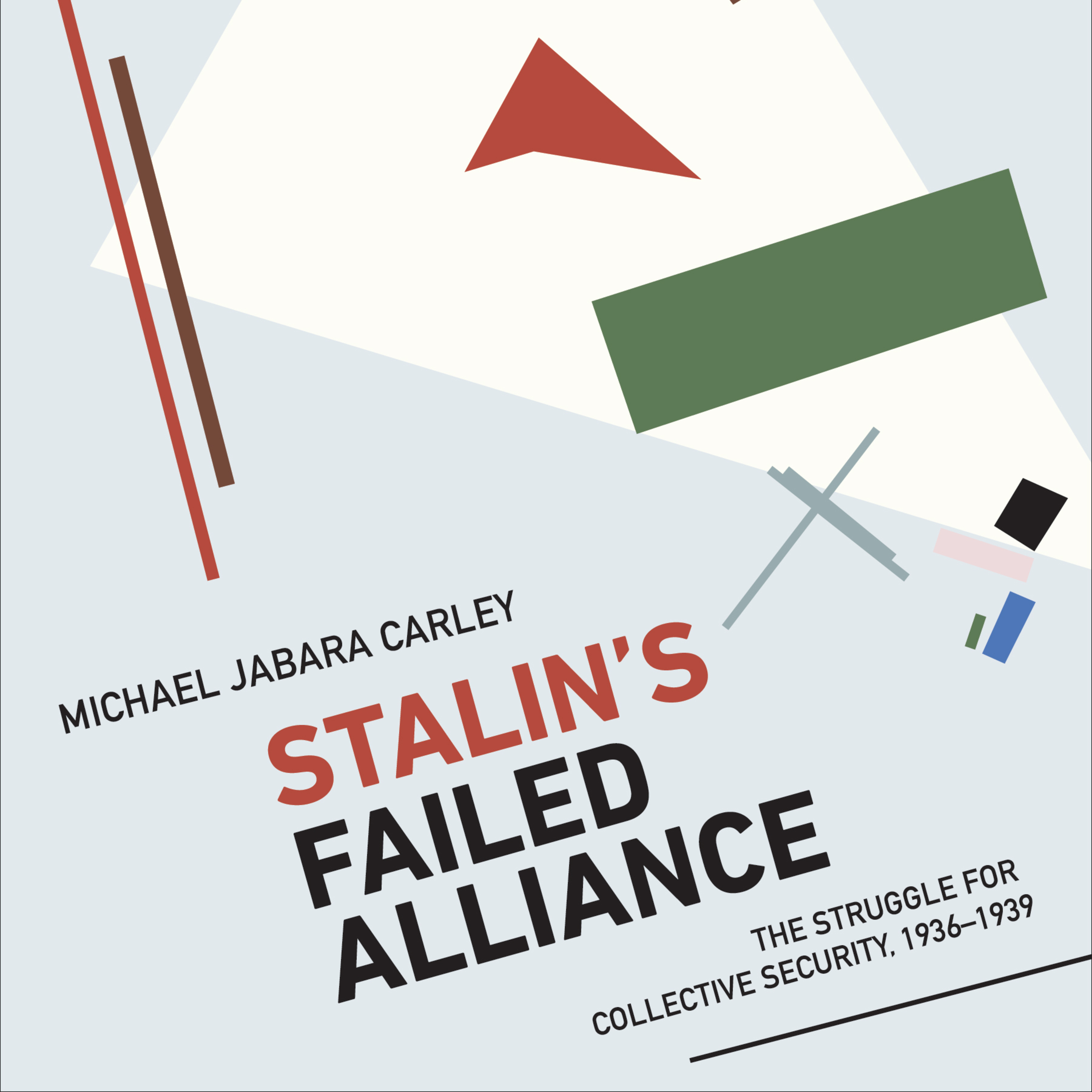
Episode 68: The Soviet Struggle for Collective Security 1930-1941 with Michael Jabara Carley
After spending decades in Soviet and Western archives, historian Michael Jabara Carley has released a magnum opus three part trilogy on the Soviet diplomatic struggle - and ultimate failure - to create a defensive alliance and collective security arrangement against Nazi Germany in Europe in the years prior to the outbreak of World War 2.On today’s episode we are joined by Michael Jabara Carley to
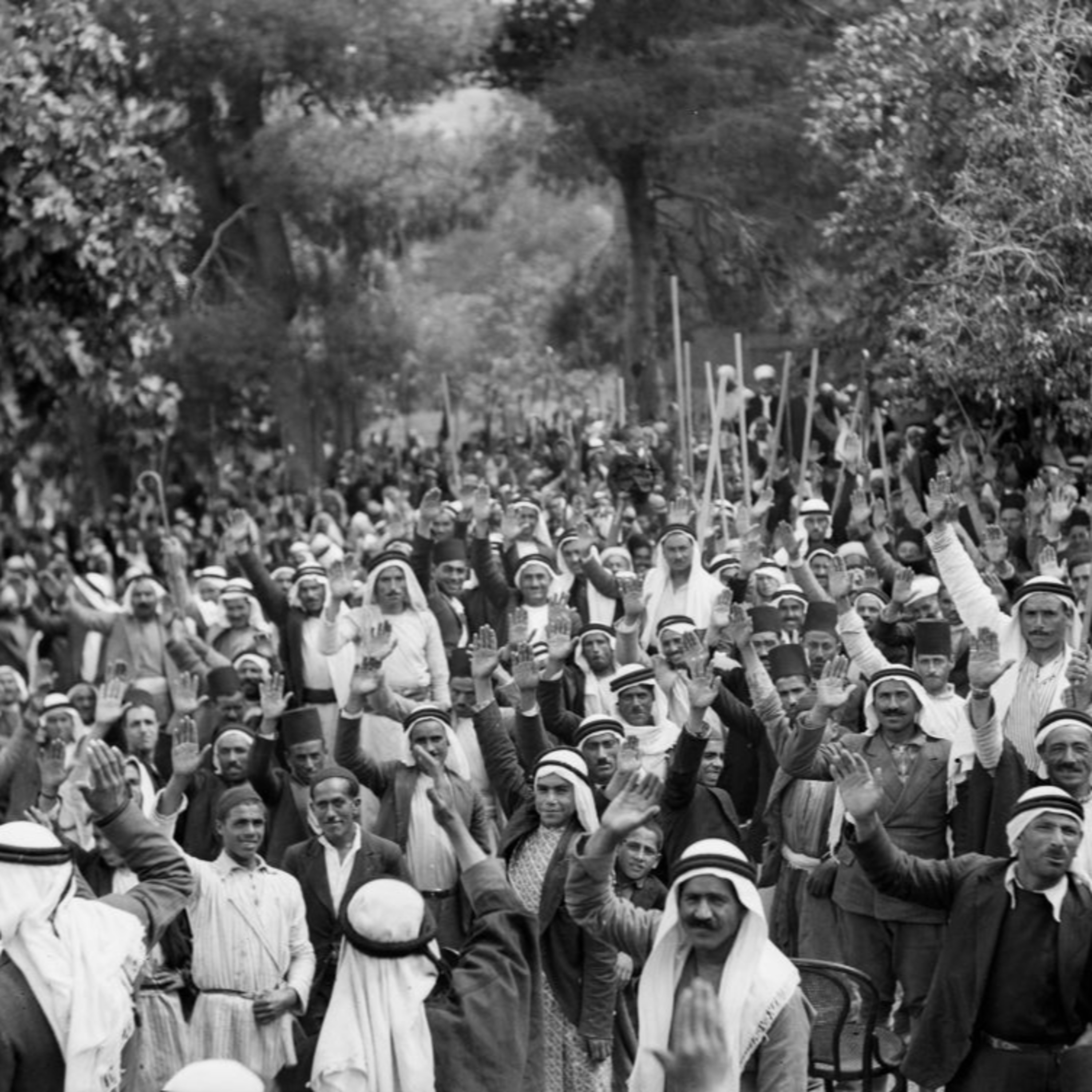
Episode 67: Palestine, Communism and the National Question 1920-1955 with Mohamad Kadan
On today’s episode, historian Mohamad Kadan takes us on a deep dive into the emergence of Marxism and Communist politics in Palestine in the early 20th century and immediately following the Nakba - the mass ethnic cleansing and displacement of Palestinians in 1948 during the establishment of the state of Israel.Mohamad explores how questions of Palestinian anti-colonial struggle and self-determina
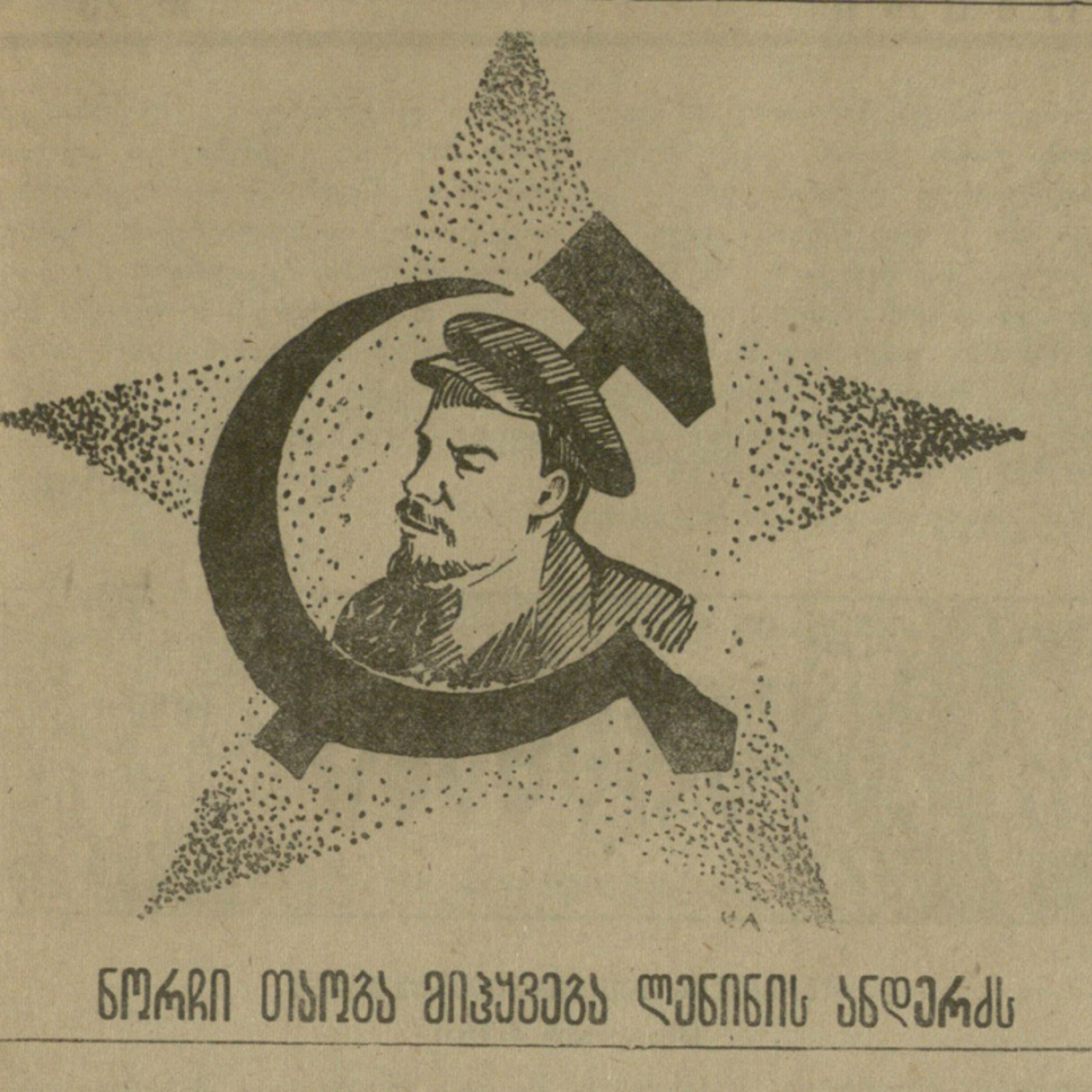
Episode 66: Youth and Bolshevik Power in Georgia with Giorgi Beridze
On today’s episode we explore the emergence and development of Bolshevism in Georgia, from the Russian Empire-wide revolutionary moments of 1905 and 1917, through the era of Menshevik rule in the Democratic Republic of Georgia (1918-1921), to the establishment and first decade of the Georgian Soviet Socialist Republic 1921-1931.In the discussion, we examine the local roots of Bolshevism in Georgia
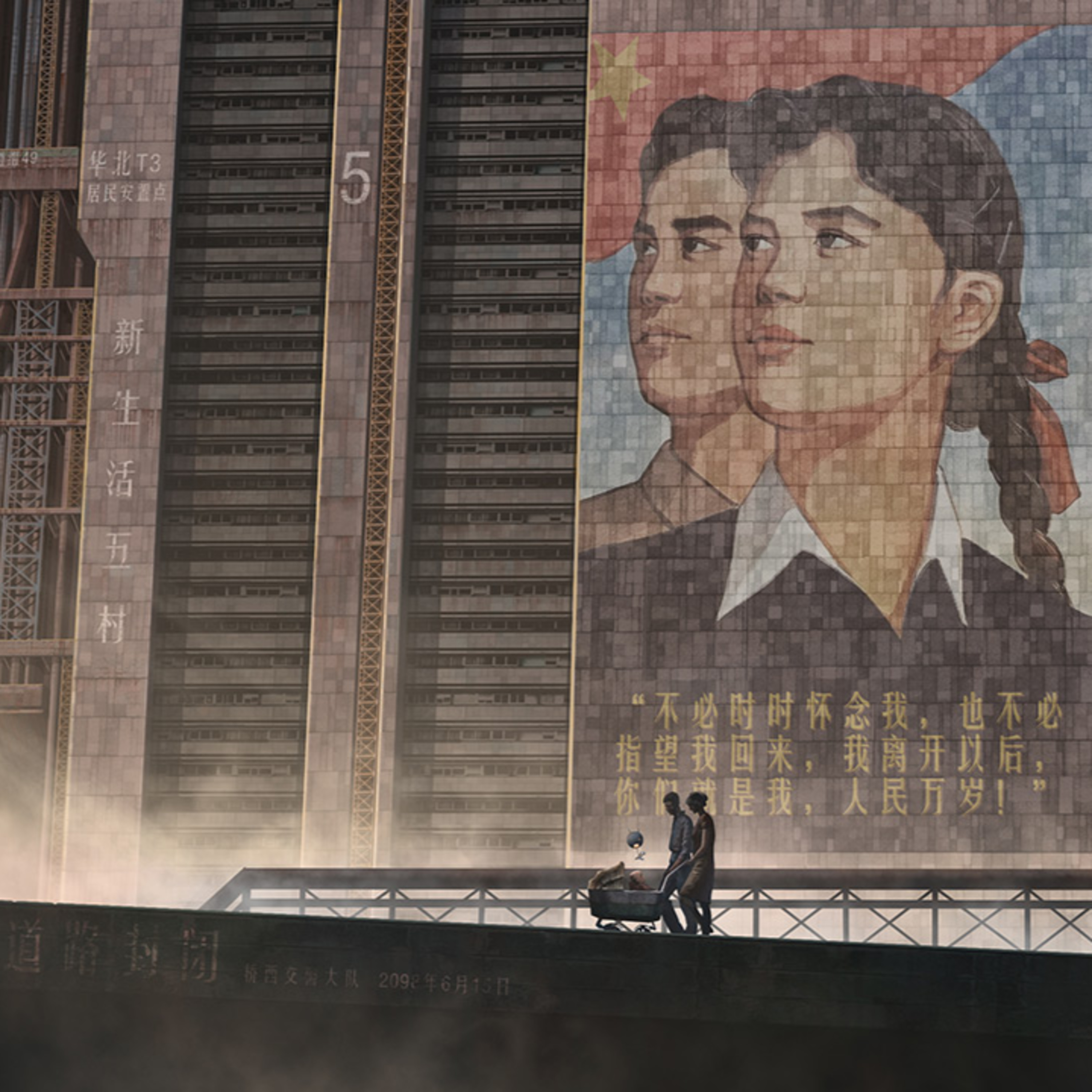
Episode 65: Poverty Alleviation and Socialist Construction in China with Tings Chak
This weeks discussion thematically compliments and follows on our previous episode on Marxism and China (episode 64 - give it a listen!).Sitting down with Tings Chak, we examine China’s radical transformations from 1949 until today by centering a few questions: how was the mass alleviation of poverty accomplished in China? Is it an ongoing process? What does “socialist construction” have to do wit
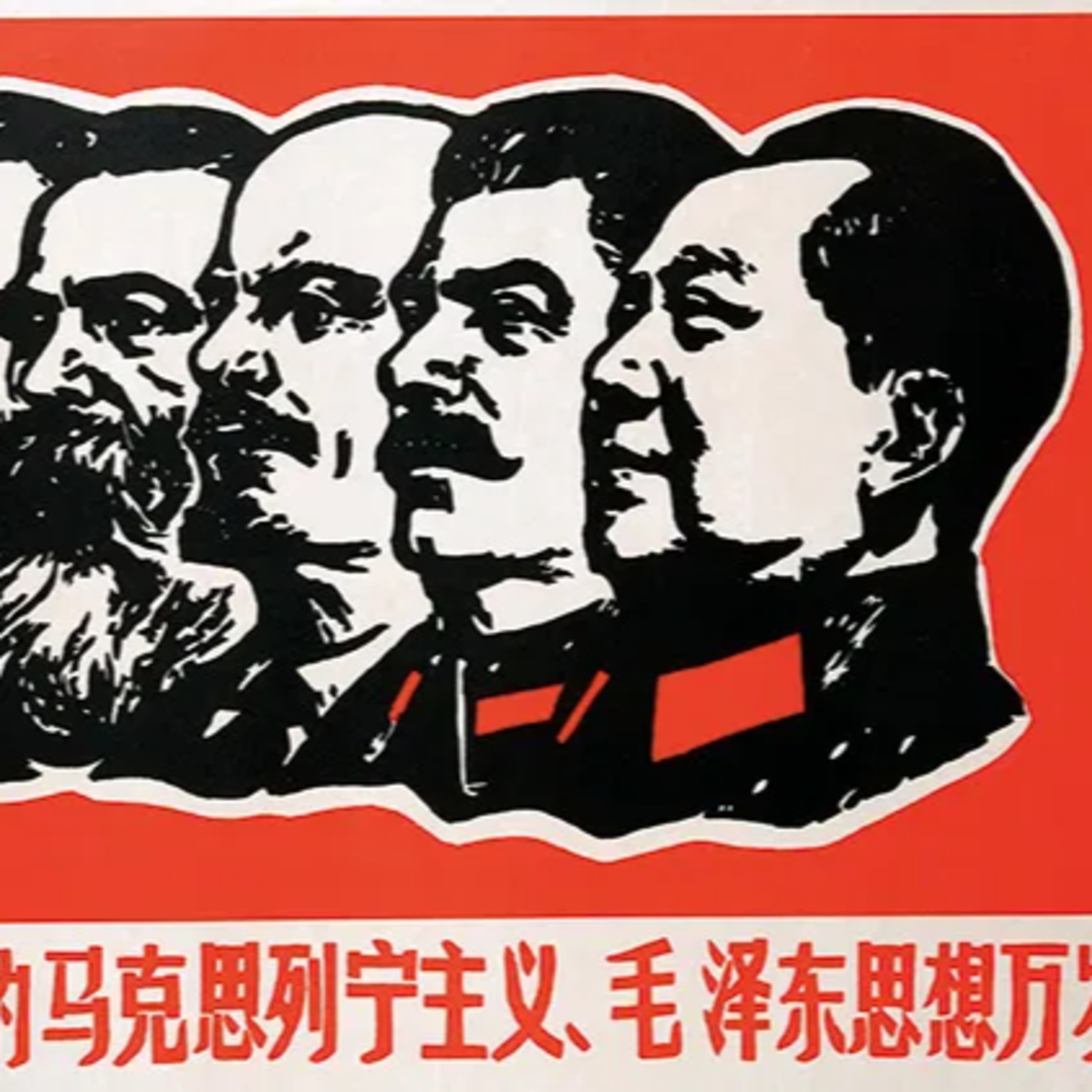
Episode 64: Marxism & China with Josef Gregory Mahoney
On today’s episode we have a wide reaching, in depth and fascinating discussion on Chinese Marxism. We examine Marxism’s historical emergence in China and it’s adaptation to Chinese conditions - both as an idea guiding the Communist Party of China that culminated in the 1949 Chinese revolution as well as post-1949 state craft and socialist development in China. We also pay special attention to the
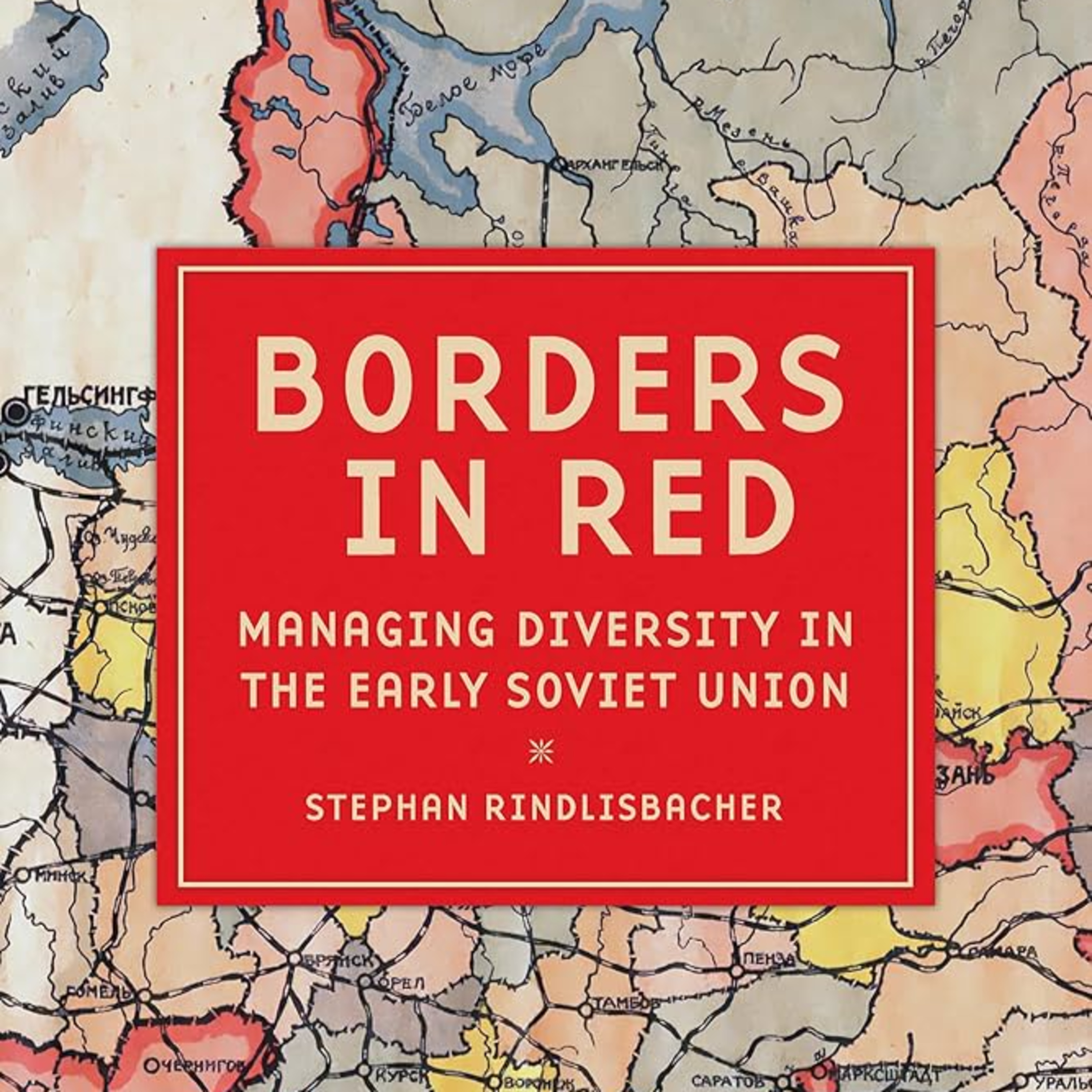
Episode 63: Border Delimitation in the Early Soviet Union with Stephan Rindlisbacher
On today’s episode we discuss internal border delimitation in the early Soviet Union. Our discussion covers a wide geography - from Central Asia to the South Caucasus to the Ukrainian-Russia borderlands. How did internal borders get delimited after the establishment of Soviet power in the 1920s and 30s? What role did borders play in nation building? And how do economic factors shape the border del
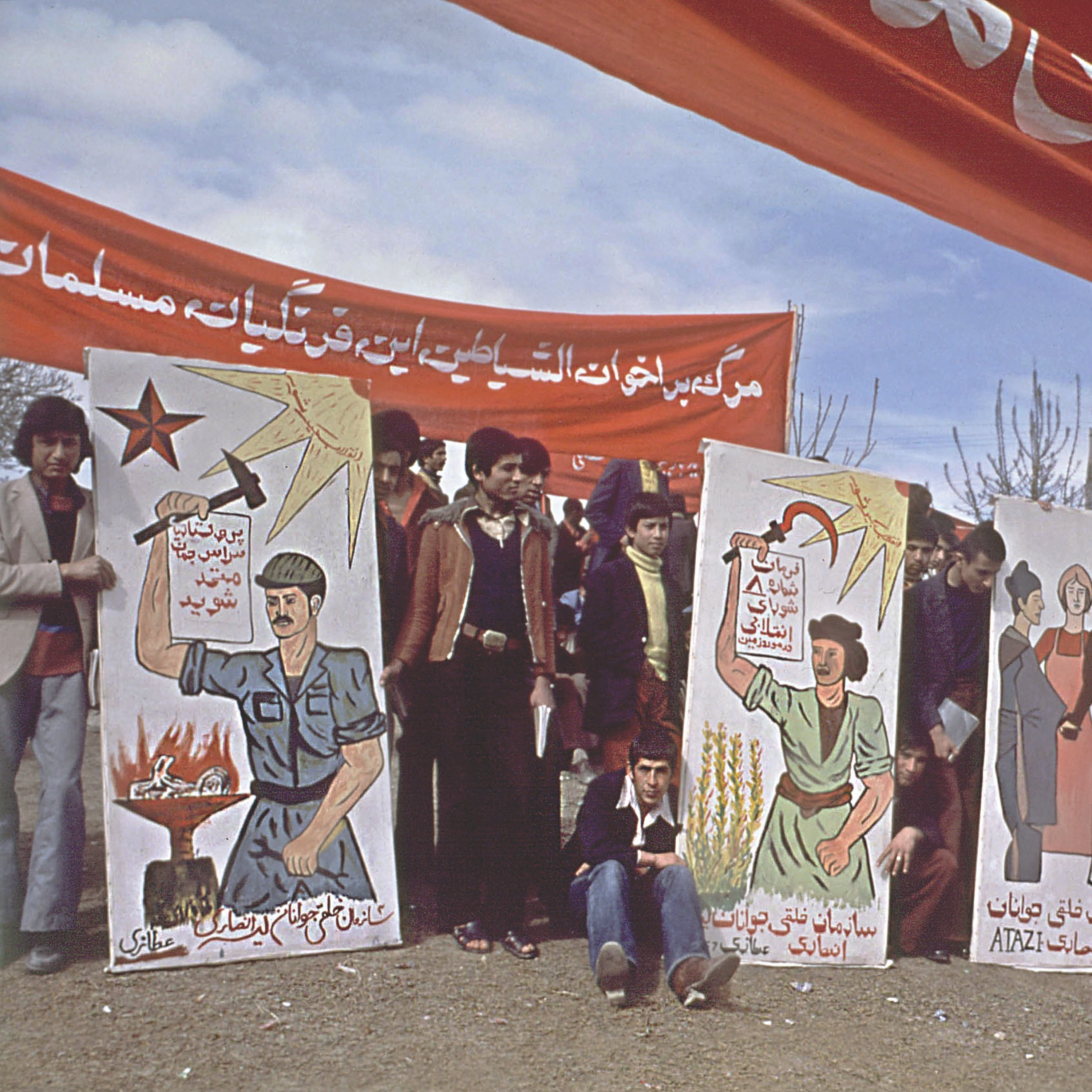
Episode 62: Afghanistan, Anti-Imperial Modernity and the Soviet Union with Adam Alimi
On today's episode we discuss Afghan communism and the consequences of the 1978 Saur Revolution in the context of a longer story of Afghan anti-imperial modernity and Soviet-Afghan relations.How and why was the 1979 Soviet invasion of Afghanistan different from interventions by other powers in the country? How do analyses of the 1979 Soviet invasion that center the “empire” framework limit our
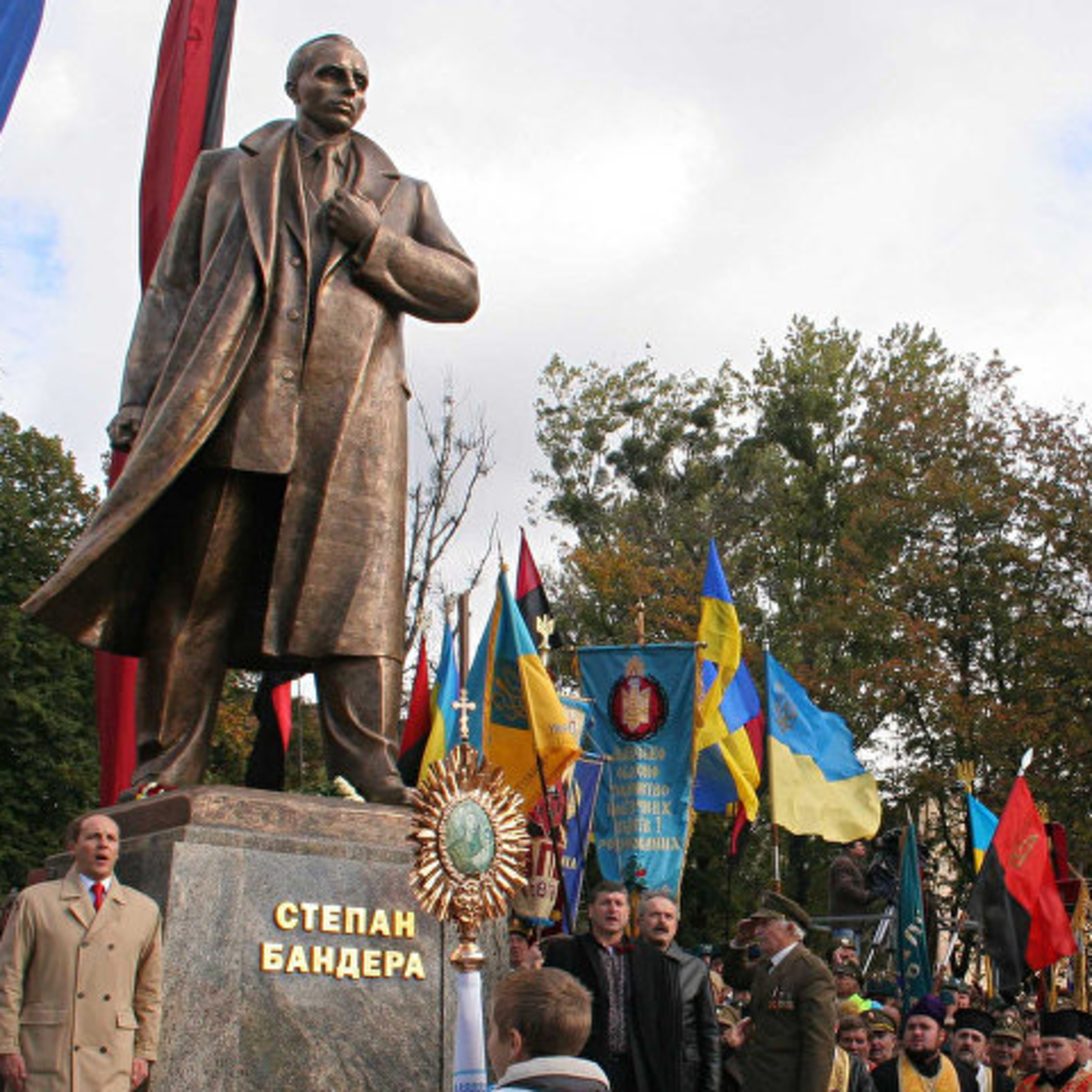
Episode 61: Far-Right Nationalism, Memory Politics and Ukraine with Per Rudling
On today’s episode we explore the role of the historical Ukrainian far-right, specifically the Nazi-collaborationist Organization of Ukrainian Nationalists and the Ukrainian Insurgent Army, in the development of post-Soviet Ukraine’s national memory regime. In particular we address a paradox - how did these far right political formations and their historical narratives, despite limited and regiona
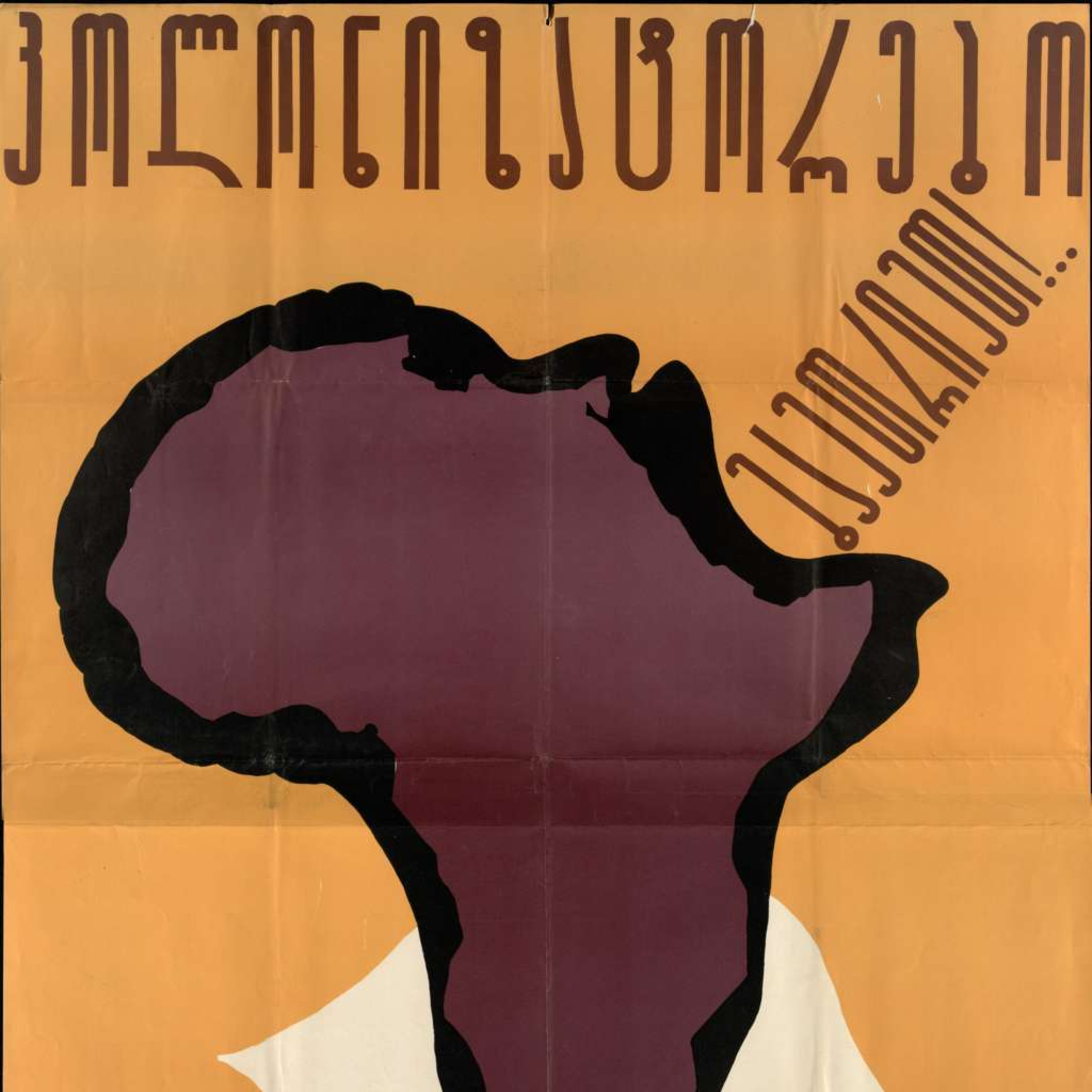
Episode 60: Soviet Development Assistance to Ghana, Guinea and Mali 1955-1968 with Alessandro Iandolo
During the 1950s and 1960s, the Soviet Union began a new era of political engagement with the global south. One feature was development assistance. The Soviet Union embodied, offered and inspired an alternative approach to development, industrialization and modernization across the global south. Countries such as Ghana, Guinea and Mali in the 1950s-60s were governed by nationalists, not Marxists o
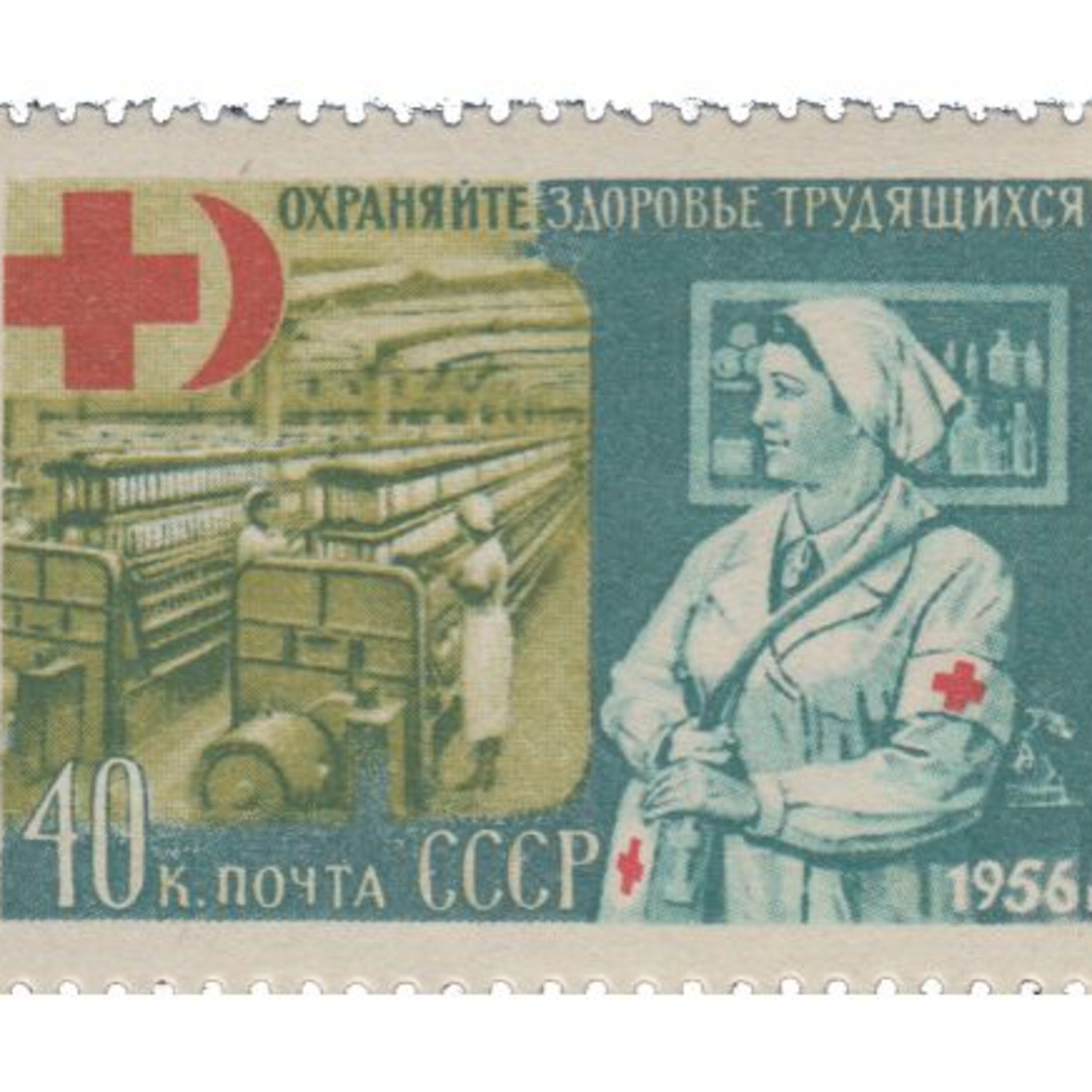
Episode 59: The Soviet Red Cross, Socialist Humanitarianism and India with Severyan Dyakonov
In the 1950s, the Soviet Red Cross gained positions in the governing bodies of the International League of the Red Cross, supported by newly established Red Cross and Red Crescent societies in the decolonizing world. Seeking to shape public opinion abroad, it established medical and research facilities in Algeria, Ethiopia, Iran, Afghanistan, India, and Cambodia. The Soviet Red Cross also had a pr
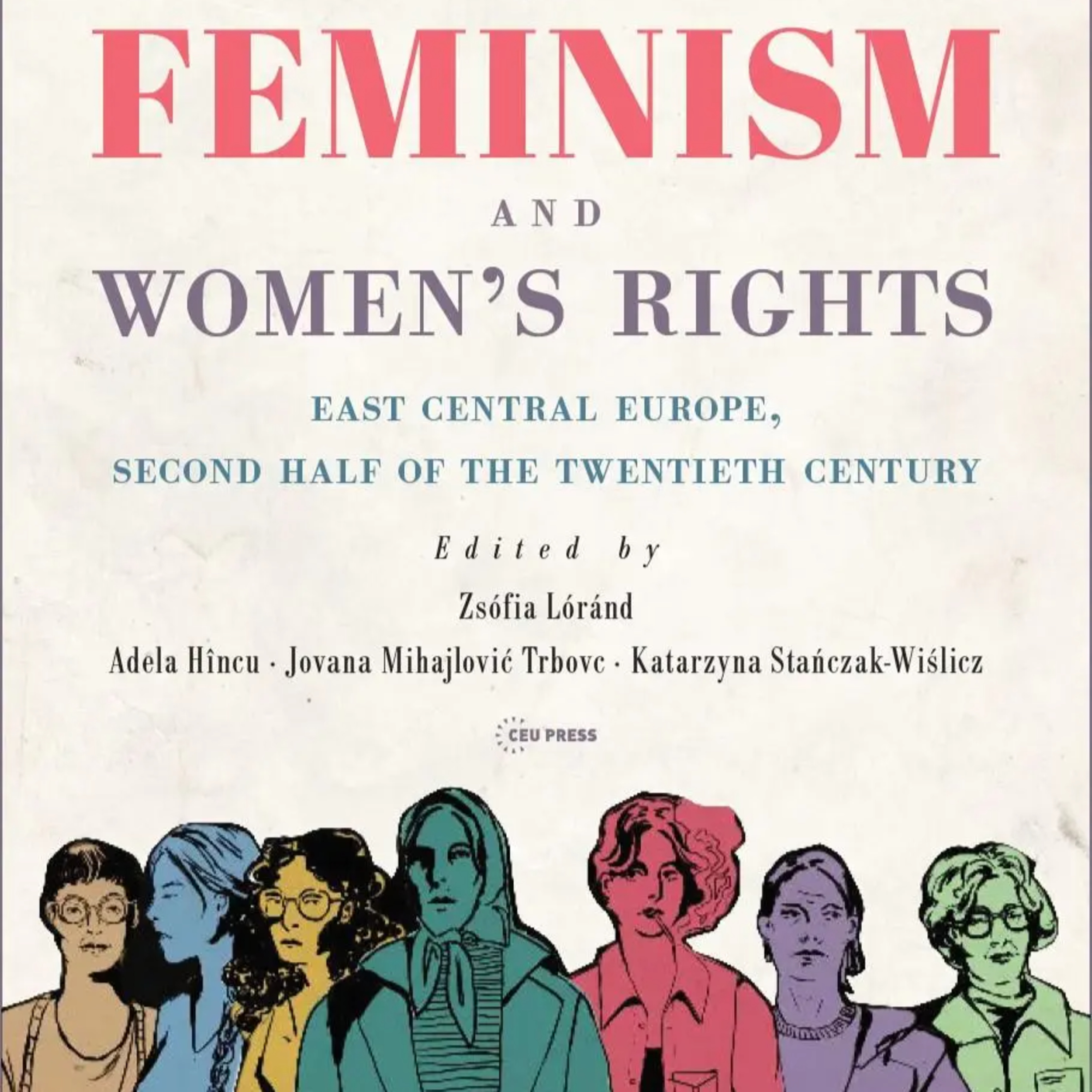
Episode 58: Socialist Feminism in Post-WW2 East Central Europe with Adela Hîncu
We sit down with Adela Hîncu, historian and editor of the volume Texts and Contexts from the History of Feminism and Women’s Rights East Central Europe, Second Half of the Twentieth Century (2024) to discuss feminist thought in post World War 2 socialist East Central Europe.Book description:A compendium of one hundred sources, preceded by a short author’s bio and an introduction, this volume offer
Episode 57: A Global History of Greek Communism with Nikos Marantzidis
On today’s episode we discuss how international and regional communist parties and actors influenced the political development of the Greek Communist Party between 1918-1956, with a special focus on the Soviet Union and the Balkans. Our guest Nikos Marantzidis published his book Under Stalin’s Shadow: A Global History of Greek Communism in 2023.Book description:Under Stalin's Shadow examines t
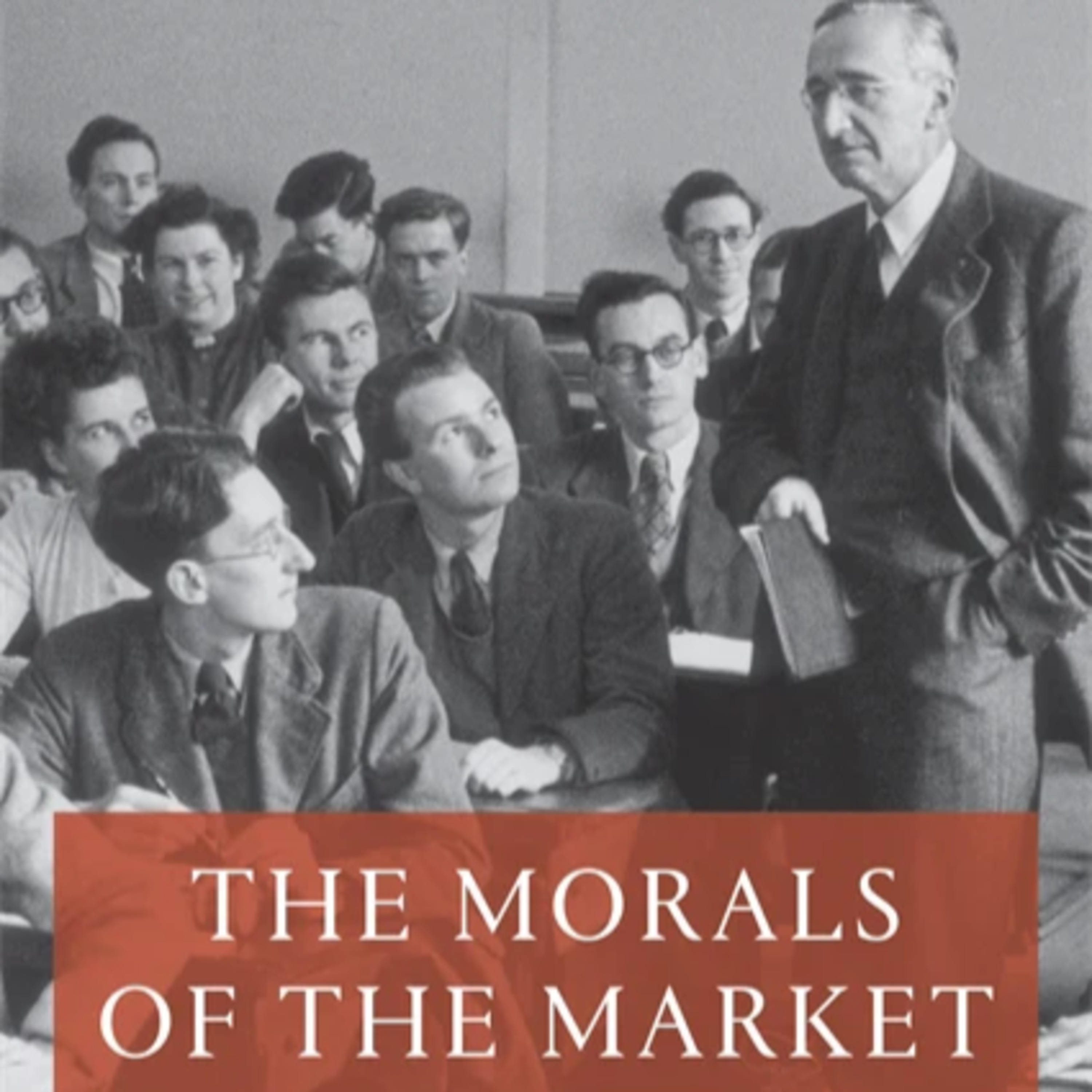
Episode 56: Human Rights and the Rise of Neoliberalism with Jessica Whyte
What is the relationship between "human rights" and neoliberalism? How deeply are contemporary ideas, ideals, and visions of "human rights" influenced by neoliberalism? What can early theorists and ideologues of neoliberalism tell us about Cold War and post-Cold War uses of human rights discourse in international organizations and governance? And what are the implications of it
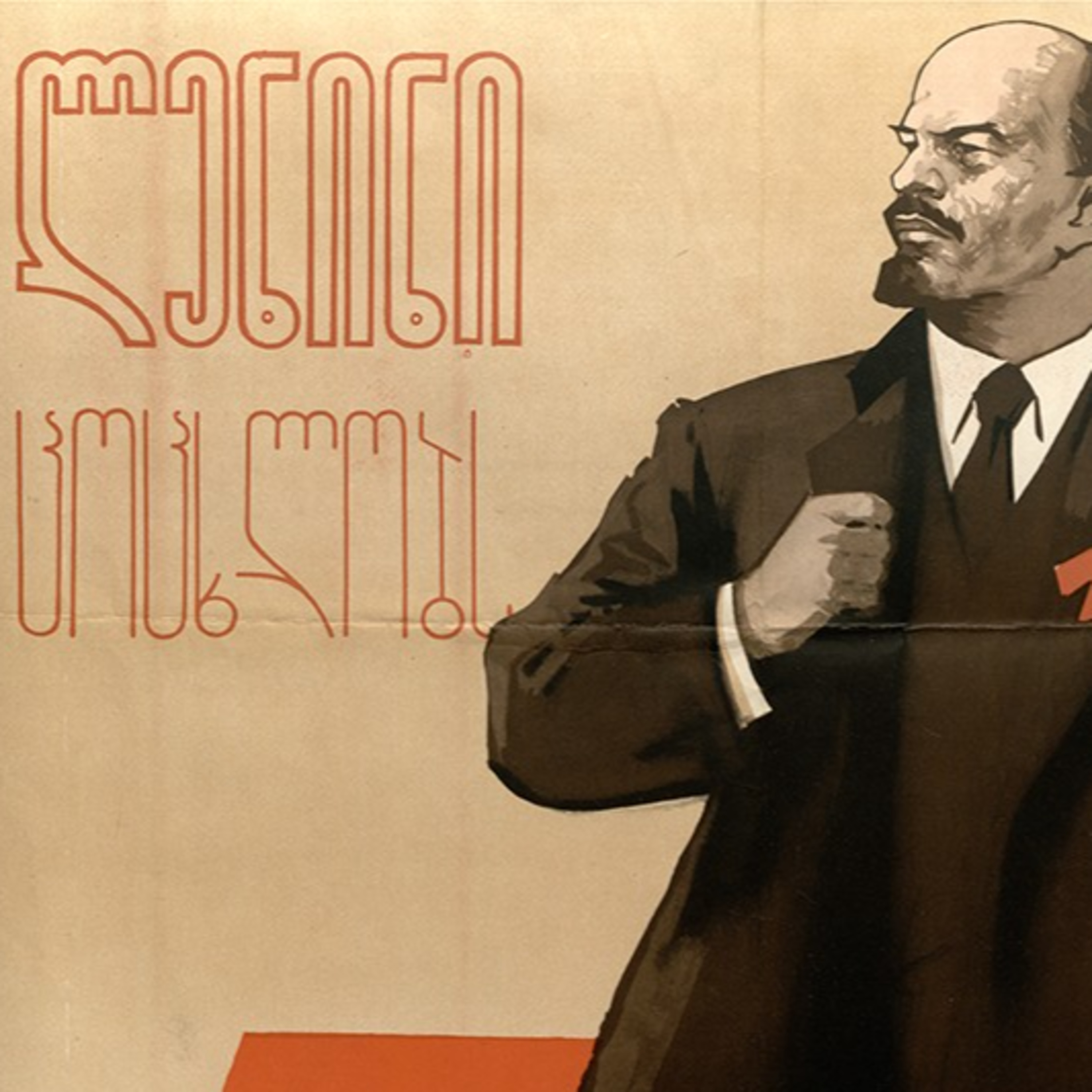
Episode 55: Soviet History, the Left and the Crisis of Liberalism with Alex Marshall
In this wide reaching discussion, we sit down with historian Alex Marshall. Using his own works such as "The Caucasus under Soviet Rule" (2010) and the edited volume "Global Impacts of Russia's Great War and Revolution: The Arc of Revolution, 1917-24" (2019) as jumping off points, we discuss everything from how Soviet history is written and persistent historiographic debate
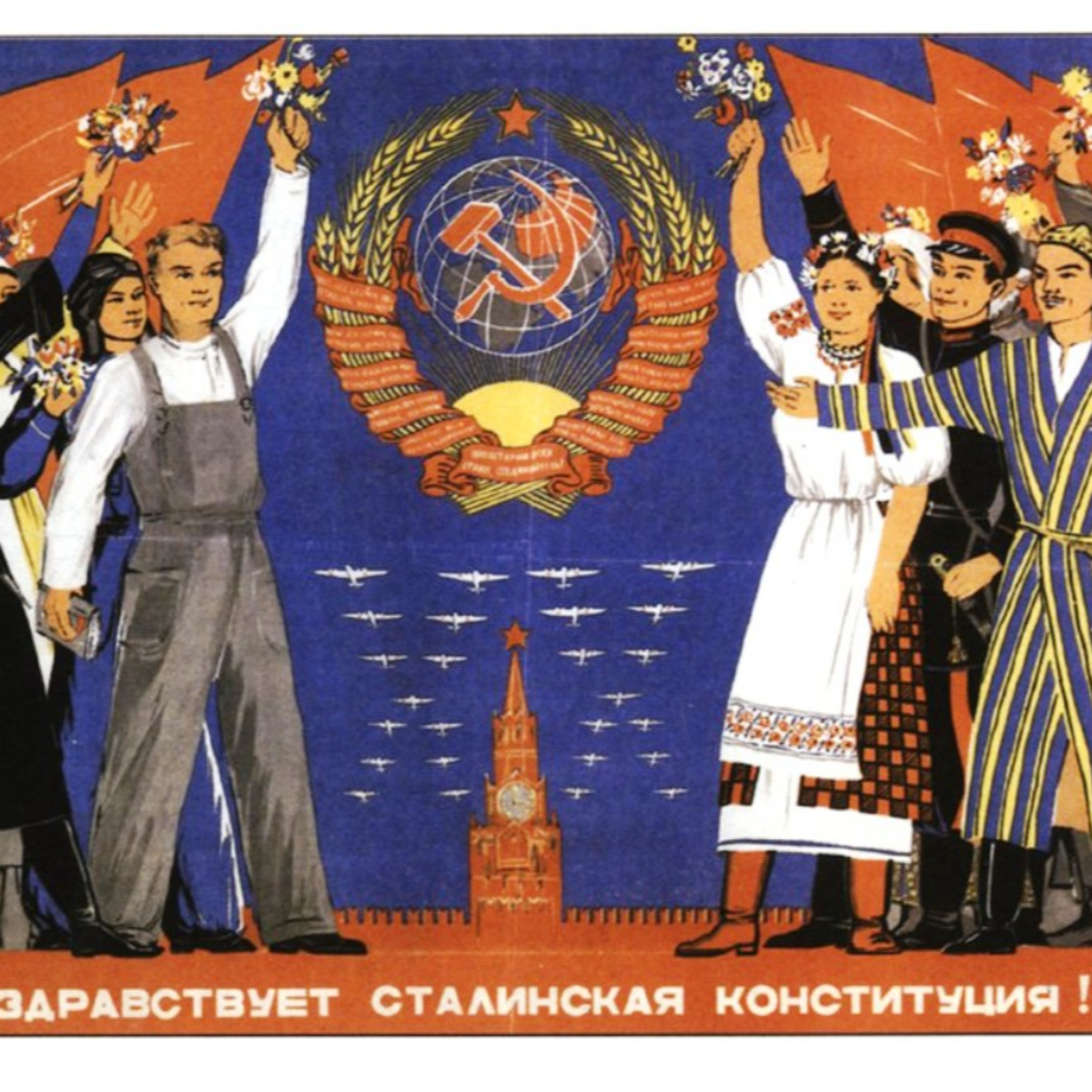
Episode 54: The 1936 Stalin Constitution and Participatory Politics in the Soviet Union with Samantha Lomb
On today's episode we explore the ins and outs of the 1936 Soviet Constitution - also known as the "Stalin Constitution" - how it was written, what it guaranteed, what led to its drafting, how it affected life in the USSR as well as the social, political and economic contexts surrounding its drafting. We pay particular attention to how the tensions between central authority in Moscow

Episode 53: Soviet Housing and its Afterlives in Georgia with Levan Asabashvili
On today's episode we welcome architect and researcher Levan Asabashvili to discuss the emergence and development of public housing in the Georgian SSR and what happened to Georgia's housing stock after the collapse of the Soviet Union. We also explore how Soviet-wide architectural trends in different periods (early Soviet, Stalinist, post-World War 2) manifested in the Georgian SSR and ho
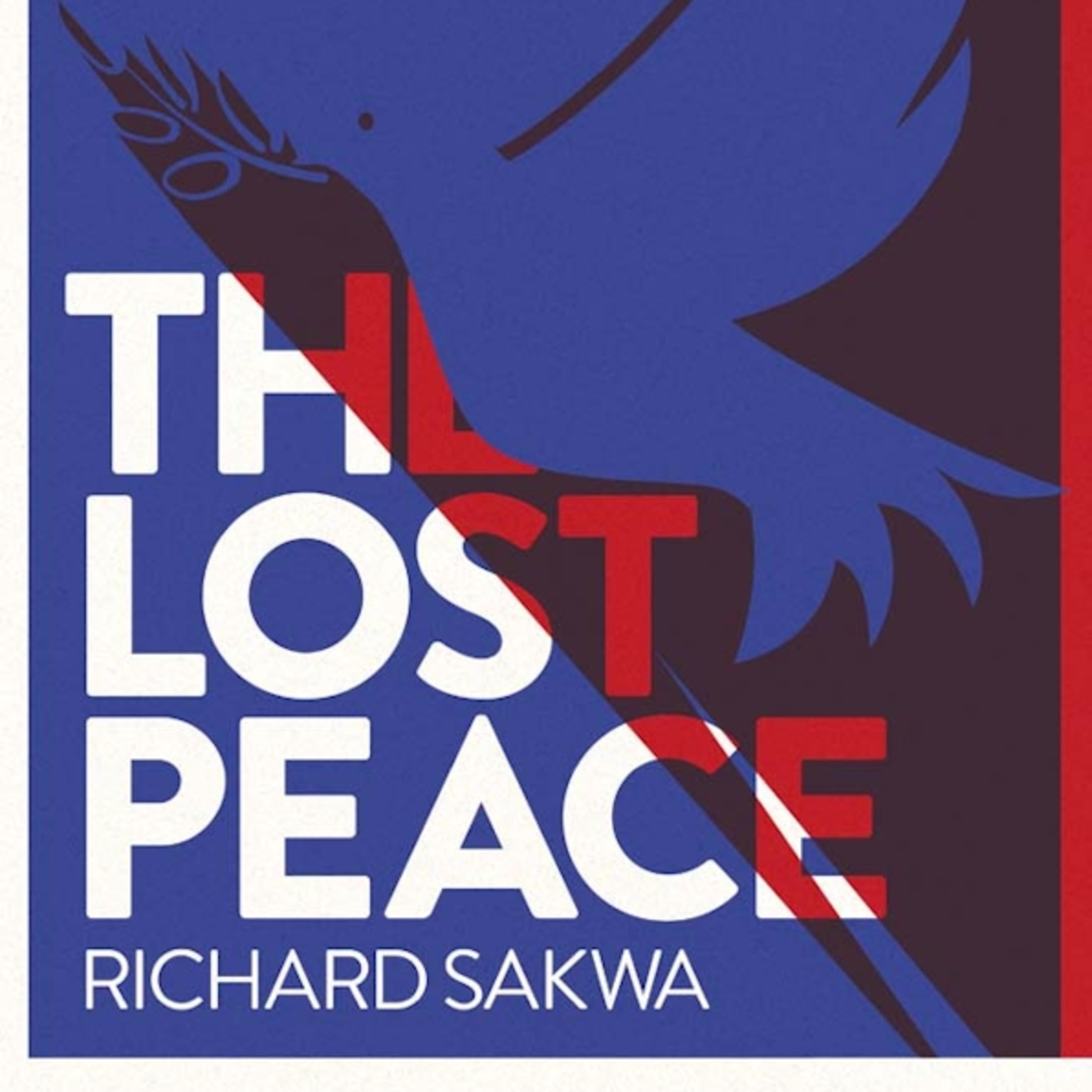
Episode 52: Global Order, Geopolitics and Neutrality with Georgian Characteristics with Richard Sakwa
On today's episode we examine how broader shifts in the global order, globalization and geopolitical trends since the end of the Cold War led to the current European security crisis and political context for the Russo-Ukraine War. We also explore how this context shapes Georgia's geopolitical and security environment, and is sowing the seeds for more open discussions about what geopolitica
Episode 51: Reflections on Soviet History with Sheila Fitzpatrick
Since the 1970s, historian Sheila Fitzpatrick has made invaluable contributions to our understanding of the Soviet Union. As a key figure in the "revisionist school" of Soviet history, Fitzpatrick along with other historians opposed entrenched Cold War era narratives about the USSR including (but not limited to) the "totalitarian thesis". Fitzpatrick in particular added texture
Episode 50: US Labor Unions, Anti-Communism and the Global Cold War with Jeff Schuhrke
On today's episode we discuss the book Blue Collar Empire: The Untold Story of US Labor's Global Anticommunist Crusade with author Jeff Schuhrke. Blue-Collar Empire explores how the CIA used American unions to undermine workers at home and subvert democracy abroad through the shocking story of the AFL-CIO’s global anticommunist crusade—and its devastating consequences for workers around th
Episode 49: History & Anti-Communism with Stefan Gužvica
Writing histories of communism and "really existing socialism" have been fraught with political tension for decades. On the one hand, sectarian debates in the global left too often overlooked the nuances of really existing socialism and cutting edge academic research in order to align with specific ideological orientations. On the other hand, and far more consequential, Cold War-era anti
Episode 48: Marxism and Academia in Soviet Georgia with Bakar Berekashvili
After World War 2, during the period of developed socialism, a rich ecosystem of Marxist intellectuals and academics emerged in the Georgian SSR. Universities and scientific institutes in Tbilisi, Kutaisi, Telavi, and Batumi were home to sociologists, philosophers, anthropologists, historians and other academics who took part in Soviet wide and international discussions and debates on different a
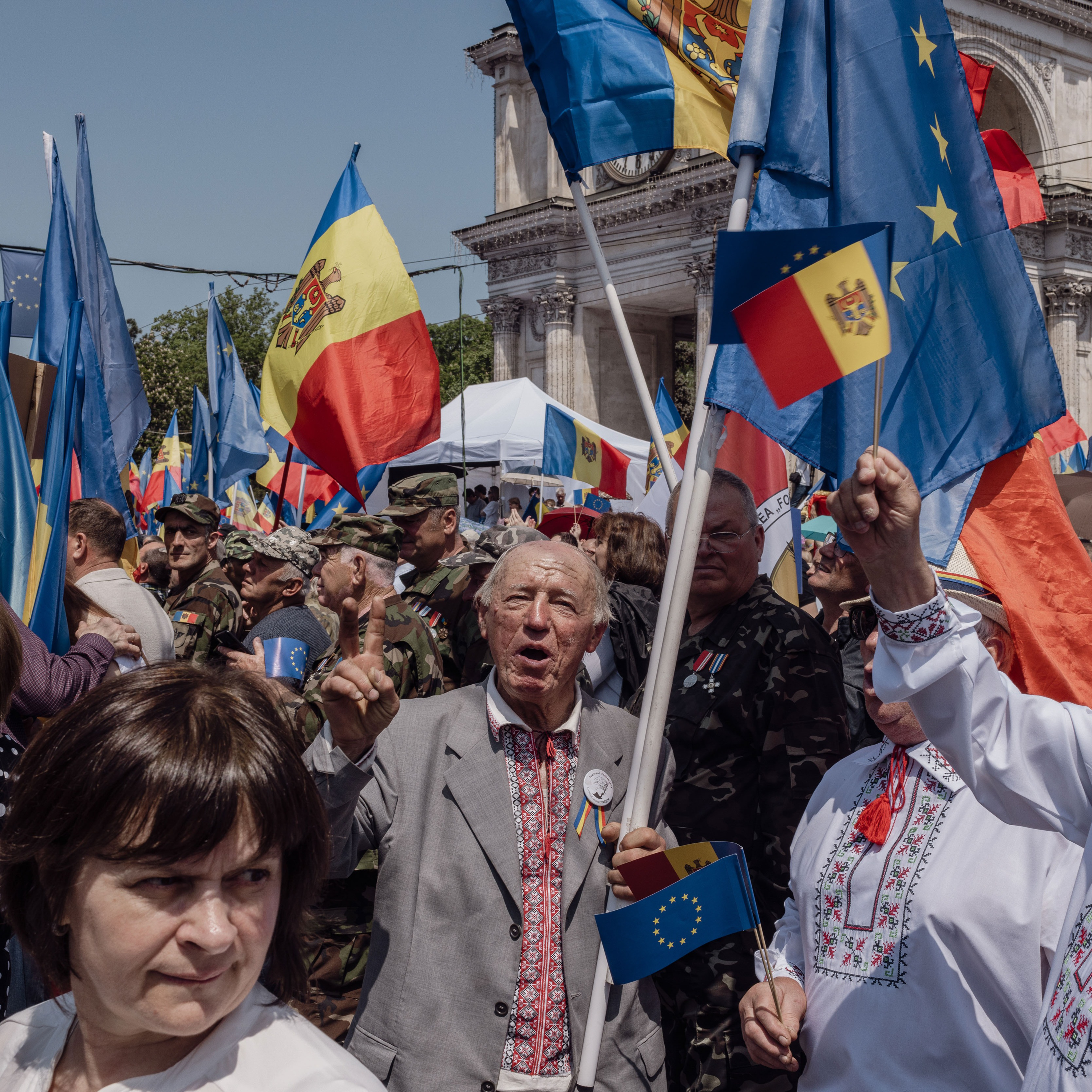
Episode 47: EU Referendum and Elections in Moldova with Vitalie Sprînceană
On October 20th 2024, Moldova held a presidential election and a referendum, supposedly on the question of integration into the EU. The referendum passed with a slight majority – 50.35% vs 49.65%. Two rounds of a presidential election were also held in the country, with the EU favored candidate Maia Sandu winning.
While many observers have interpreted the results as indicative of the country bein
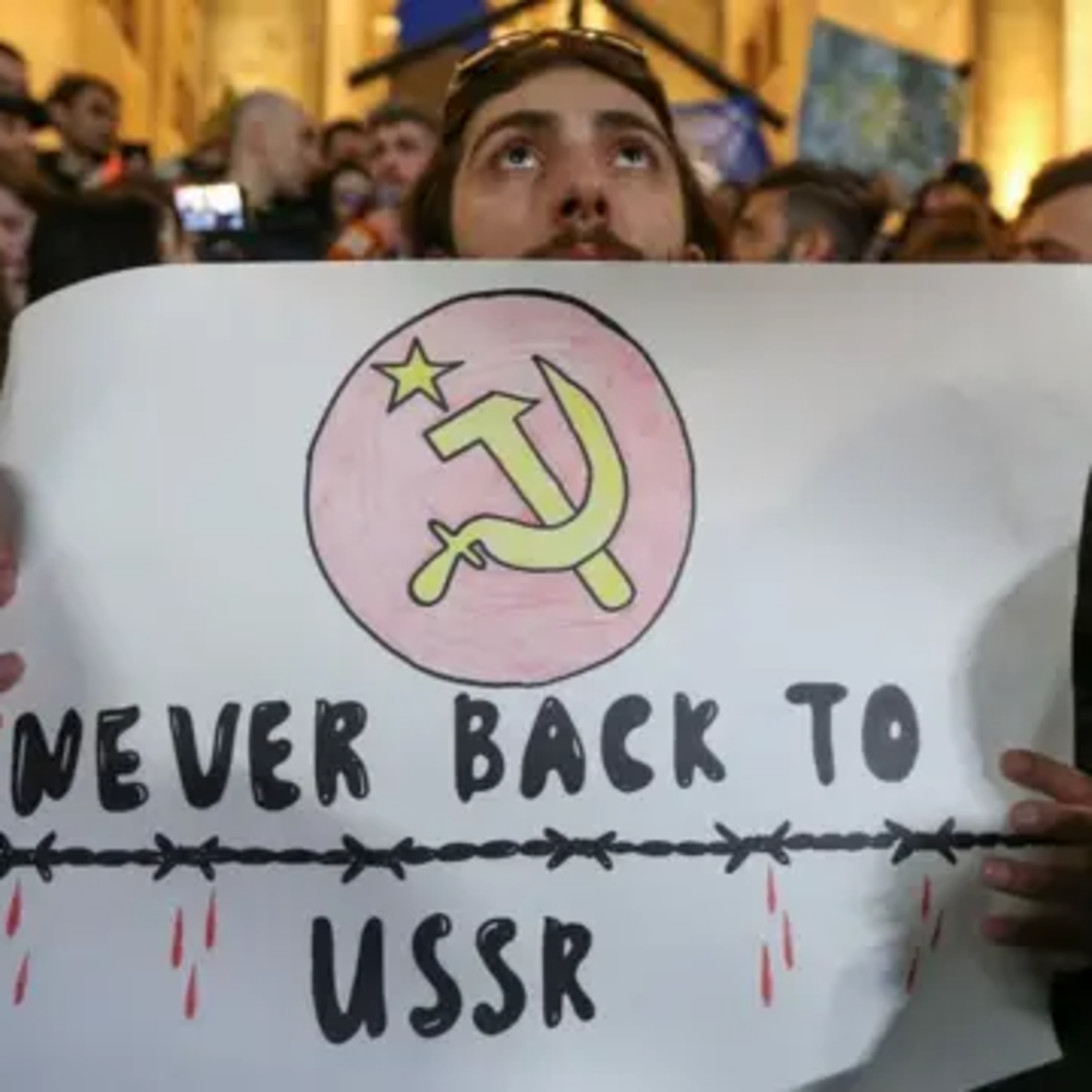
Episode 46: Anti-Soviet Memory Politics in Georgia with Beka Natsvlishvili
Since the collapse of the USSR and Georgia's independence in 1991, anti-soviet memory politics have played an intractable role in Georgian politics. On the one hand, they are a rhetorical allegory without limits - nearly anything and everything negative can be associated with the soviet past. Yet on the other hand, they also played a crucial role in nation building, becoming especially institution

Episode 45: Georgia's Neoliberal Lock-in with Tato Khundadze
Georgia’s trade dynamics with the EU have not improved, even though it signed a Deep and Comprehensive Free Trade Agreement (DCFTA) in 2014. The Georgian export basket deteriorated qualitatively since that time. Specifically, Georgia’s export basket sophistication has decreased, and the share of low-tech and resource-based products has
increased. Moreover, Georgia’s exports to the EU have become m
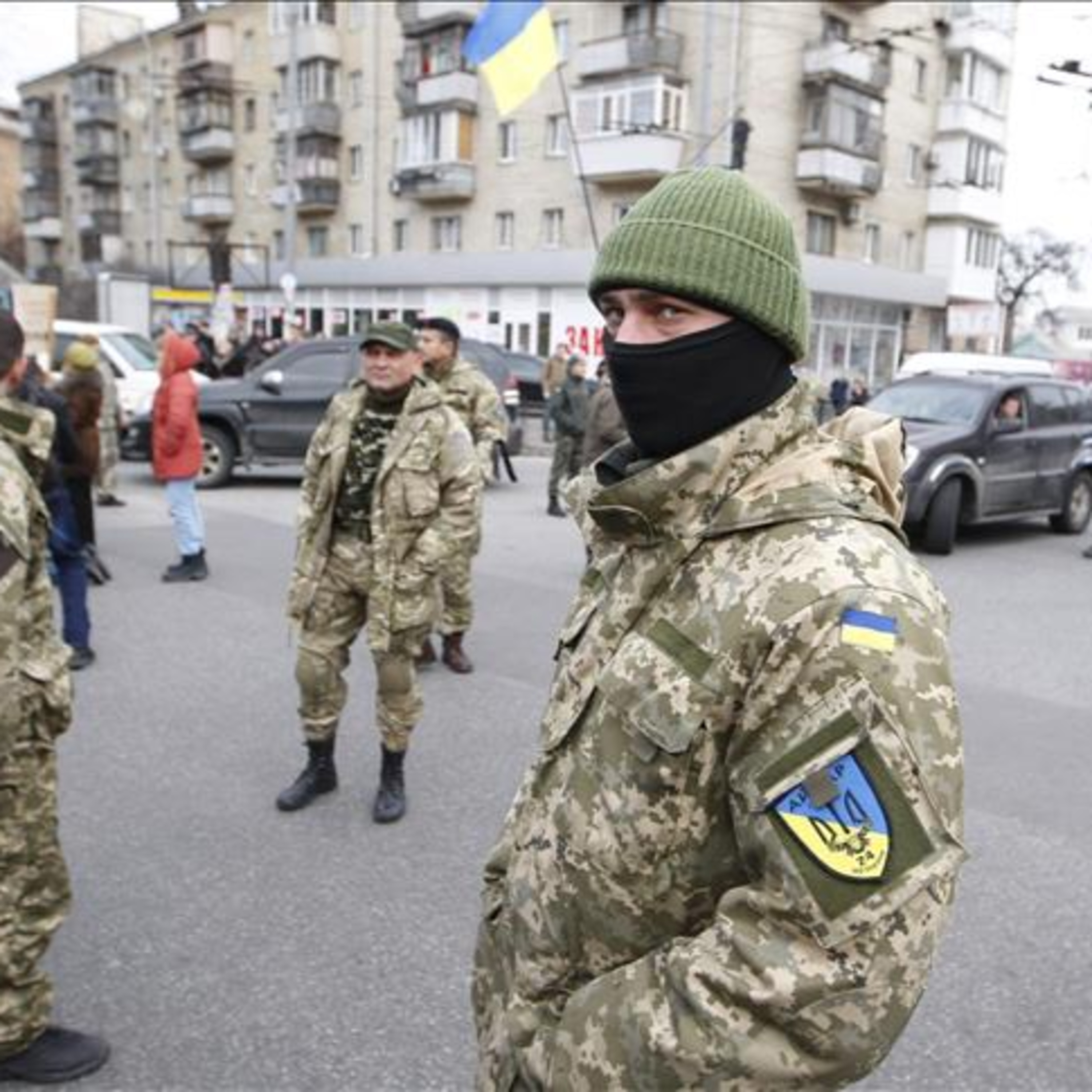
Episode 44: War, Class and Economy in Ukraine with Peter Korotaev
On today's episode we discuss how Ukraine's market oriented war economy is affecting the population, war time class divisions, post-Soviet Ukraine's economic development and how History and memory politics fit into the picture. Our guest to discuss all this and more is Peter Korotaev.
Peter Korotaev is a researcher who has worked on class dynamics and war for Jacobin, Arena and The Canada Files.
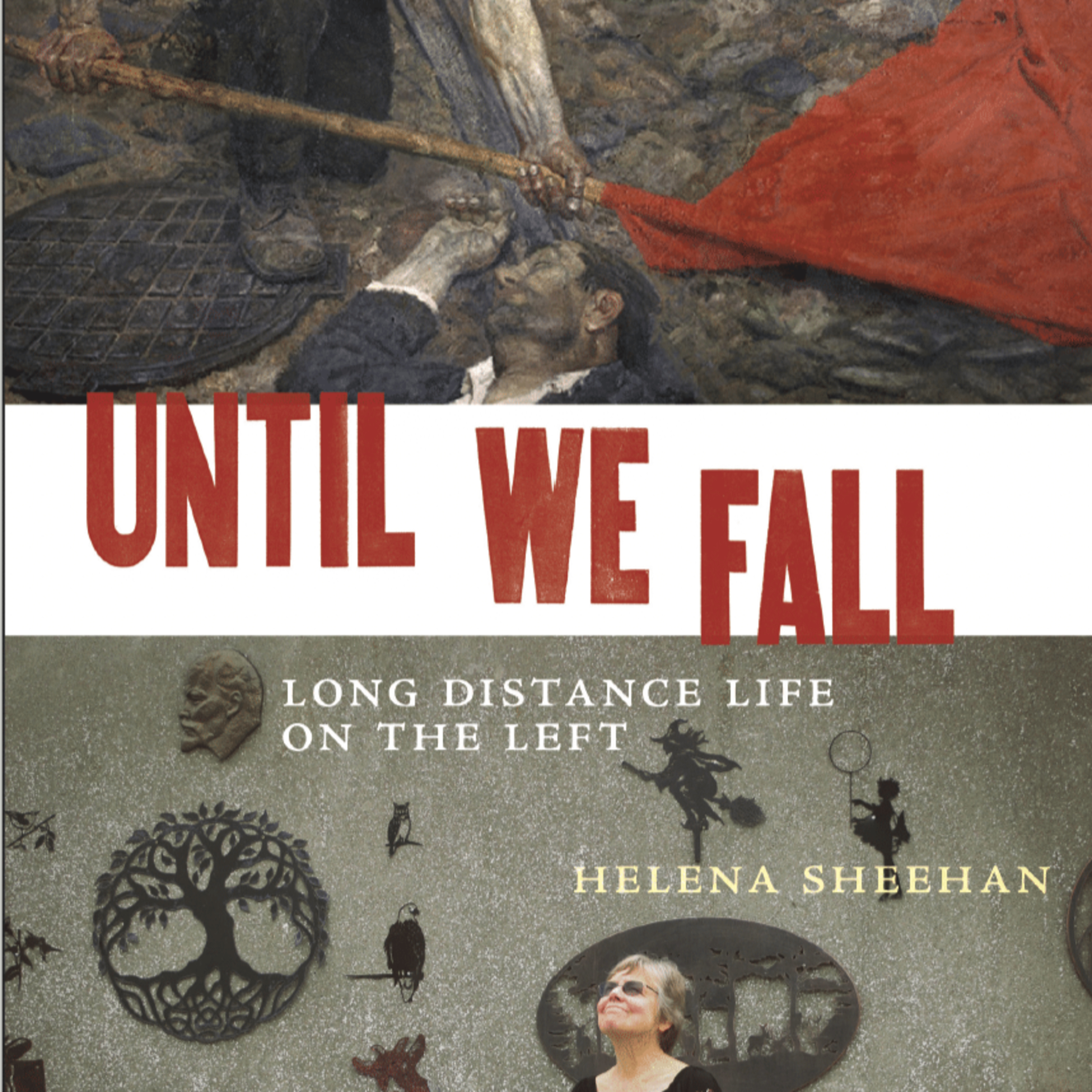
Episode 43: Life on the Left with Helena Sheehan
Helena Sheehan has spent decades involved in working class and Left struggles across the globe. She is an accomplished writer and academic who never lost or loses sight of her Marxist convictions. Her life brought her from America, as a devout Catholic entering the convent, to embracing revolutionary Marxism and participating in the Irish Republican struggle and the global communist movement. She
Episode 42: Soviet Anti-Colonialism & the East with Masha Kirasirova
On today's episode, we discuss The Eastern International: Arabs, Central Asians, and Jews in the Soviet Union's Anticolonial Empire with the book's author, historian Masha Kirasirova
Book description:
"In the first few years after the Russian Revolution, an ideological project coalesced to link the development of what Stalin demarcated as the internal "East"--primarily
Episode 41: Europe, Memory and the Resurgent Right with David Broder
This is a special TWO PART episode with Historian and Jacobin Europe editor David Broder.
In Part I (recorded July 10th 2024), we discuss recent European Parliamentary and French election results, how both the right and left fared in the outcome, and the implications of these results for Europe, EU expansion and more.
In Part II (starts at 50:45), through a discussion of David's 2023 book M

Episode 40: Baku Oil, Bolsheviks and Sovietization in the South Caucasus with Sara Brinegar
On this episode we discuss how Baku oil shaped Bolshevism, Sovietization, and the structuring of the Soviet state between 1920-1929 in the South Caucasus. Our guest is Sara Brinegar, historian and author of the book Power and the Politics of Oil in the Soviet South Caucasus: Periphery Unbound 1920-1929.
Book description and author bio below:
The book shows how the politics of oil intersected wi

Episode 39: Georgia's Chronic Crisis with Anatol Lieven and Almut Rochowanski
This episode was recorded on May 8th/9th 2024 - the situation is still unfolding.
A political crisis is currently underway in Georgia. Sparked by the ruling Georgian Dream party's proposed law on the "transparency of foreign influence", the stand off between the government, NGOs, protestors - both those of the formal opposition and not - and even some within the European Union, has
Episode 38: Post-Socialist Mortality Crisis with Gabor Scheiring
The collapse of socialism in Eastern Europe and the Soviet Union unleashed an unprecedented mortality crisis. In the years following, the region endured upwards of 7.5 million excess (and thus preventable) deaths. This post-socialist mortality crisis was not only the result of the economic devastation and social fracturing caused by socialism's end, but was exacerbated by the political-economi
Episode 37: Georgian Film, Emigration and Post Soviet Life with Levan Koguashvili
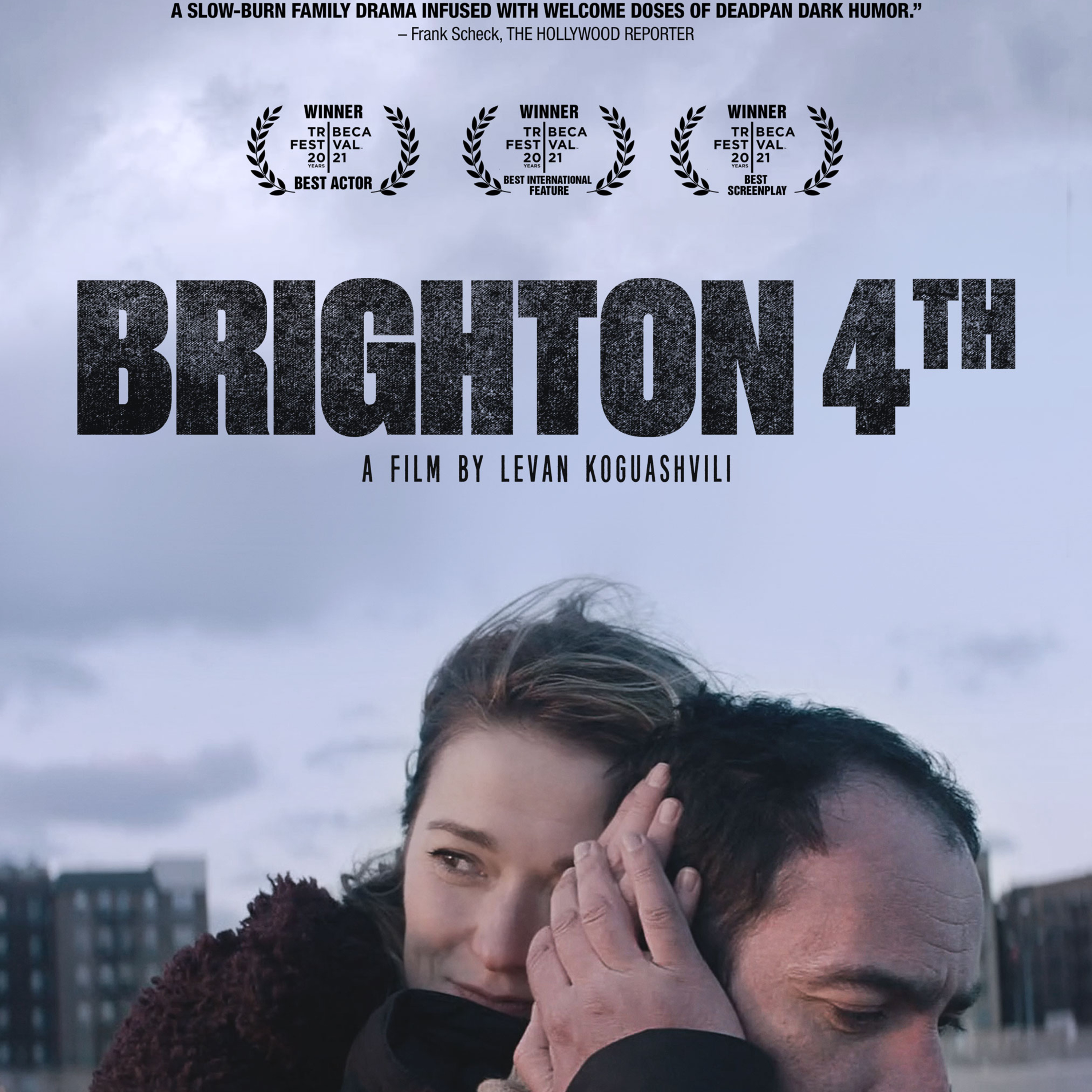
One of Georgia's most exciting contemporary filmmakers is Levan Koguashvili. His films are as comedic as they are tragic, focusing on the intricacies (both beautiful and heartbreaking) of the day to day struggles Georgians live through today.
In this discussion, we explore Levan's approach to filmmaking, stories behind the scripts, and the way his films reflect economic and social realit
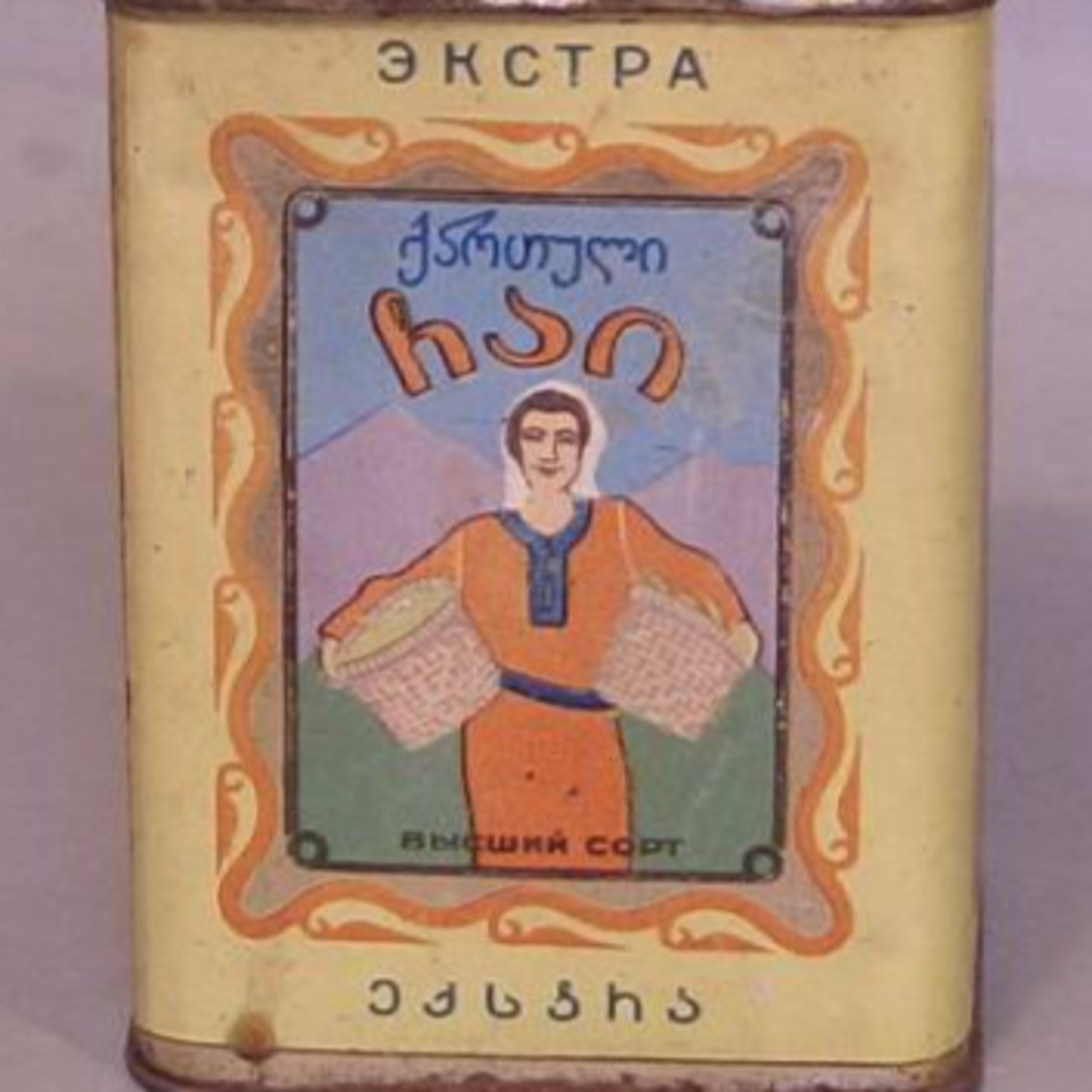
Episode 36: Tea Production in Soviet Georgia with Camille Neufville
On today's episode we discuss the emergence of the Georgian tea industry and how its development interacted with processes of economic, political and national consolidation in the first decades of the Georgian SSR.
Our guest is Camille Neufville. Camille is a PhD student at Strasbourg university, France. She is interested in the entangled histories of exotic commodities, their production and

Episode 35: Dollarization in Georgia with Ia Eradze
On today's episode we sit down with political economist Ia Eradze to discuss how extreme rates of dollarization in Georgia emerged after the Soviet Union's demise, why dollarization persists, as well as how the dominance of neoliberal economic policies and exclusion of socio-economic issues from the public and political discourse in post-Soviet Georgia came to be.
Below is a description
Episode 34: The Mass Protest Decade and the Missing Revolution with Vincent Bevins
On today's episode we sit down with journalist and author Vincent Bevins to discuss his recent book If We Burn: The Mass Protest Decade and the Missing Revolution. This wide reaching conversation reviews the main themes and topics of his book, and the broader political lessons and reflections that the global social movements between 2010-2020, with an emphasis on those outside of the global No
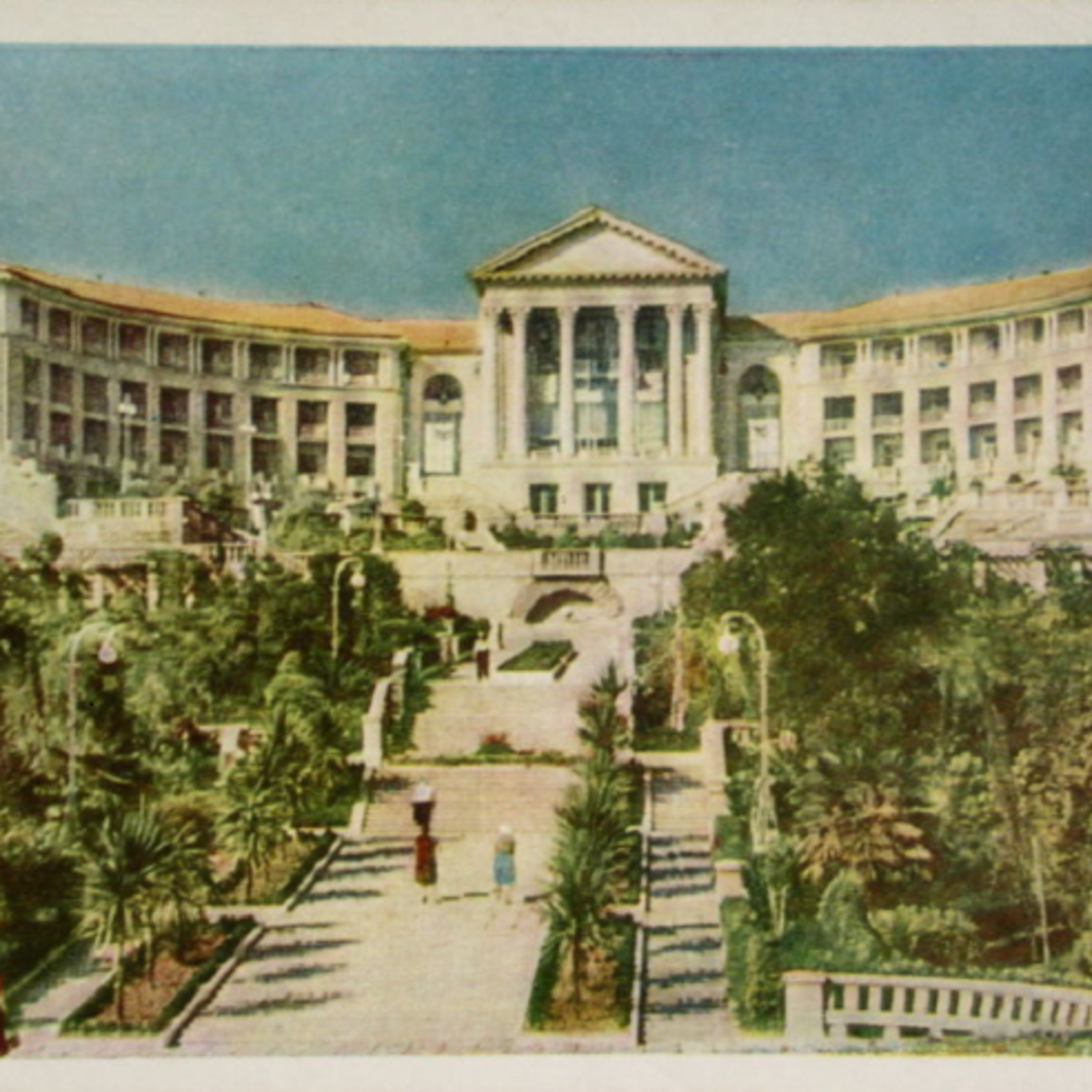
Episode 33: Vacations, Sanatoria and the Soviet Dream with Diane P. Koenker
On today's episode we sit down with historian Diane P. Koenker to discuss the history, development and role of vacations, sanatoria and leisure in the Soviet Union.
Koenker is the author of the 2013 study on the topic, Club Red: Vacation, Travel and the Soviet Dream

Episode 32: The Communist Party and the Making of the Soviet System with Yiannis Kokosalakis
On today's episode we sit down with historian Yiannis Kokosalakis to discuss his new book Building Socialism: The Communist Party and the Making of the Soviet System 1921-1941
Book description:
"By placing the party grassroots at the centre of its focus, Building Socialism presents an original account of the formative first two decades of the Soviet system. Assembled in a large network

Episode 31: Socialist & Capitalist Healthcare with Ana Vračar and Matthew Read
On today's episode we put the specific yet shared experiences of healthcare systems in Socialist Yugoslavia, the German Democratic Republic and the Georgian SSR into conversation. Through the discussion we bring to light both the similarities and differences in three distinct forms of socialism, as well as how the transition to capitalism dramatically changed health and healthcare in each soci

Episode 30: Anti-Colonial Bolshevik Historiography with Alexey Golubev
In the 1920s and 1930s, Bolshevik historians actively took part in building Soviet socialism. As militant scholars, one of their main tasks was (broadly speaking) to reconceptualize and rearticulate the history of the political entity they had just overthrown - the Russian Empire.
The multinational Bolsheviks were not only committed to building a socialist state, but believed this must be done t

Episode 29: Western Marxism & Anti-Communism with Gabriel Rockhill
The history of Marxism in the 20th century, both as a means to interpret the world and as the basis of a politics to transform it, is marked by a profound intellectual and political diversity. Some of this can be attributed to individuals and their specific readings of Marx's thought. Yet other forms of Marxism - such as that which emerged in the global South during the era of decolonization -
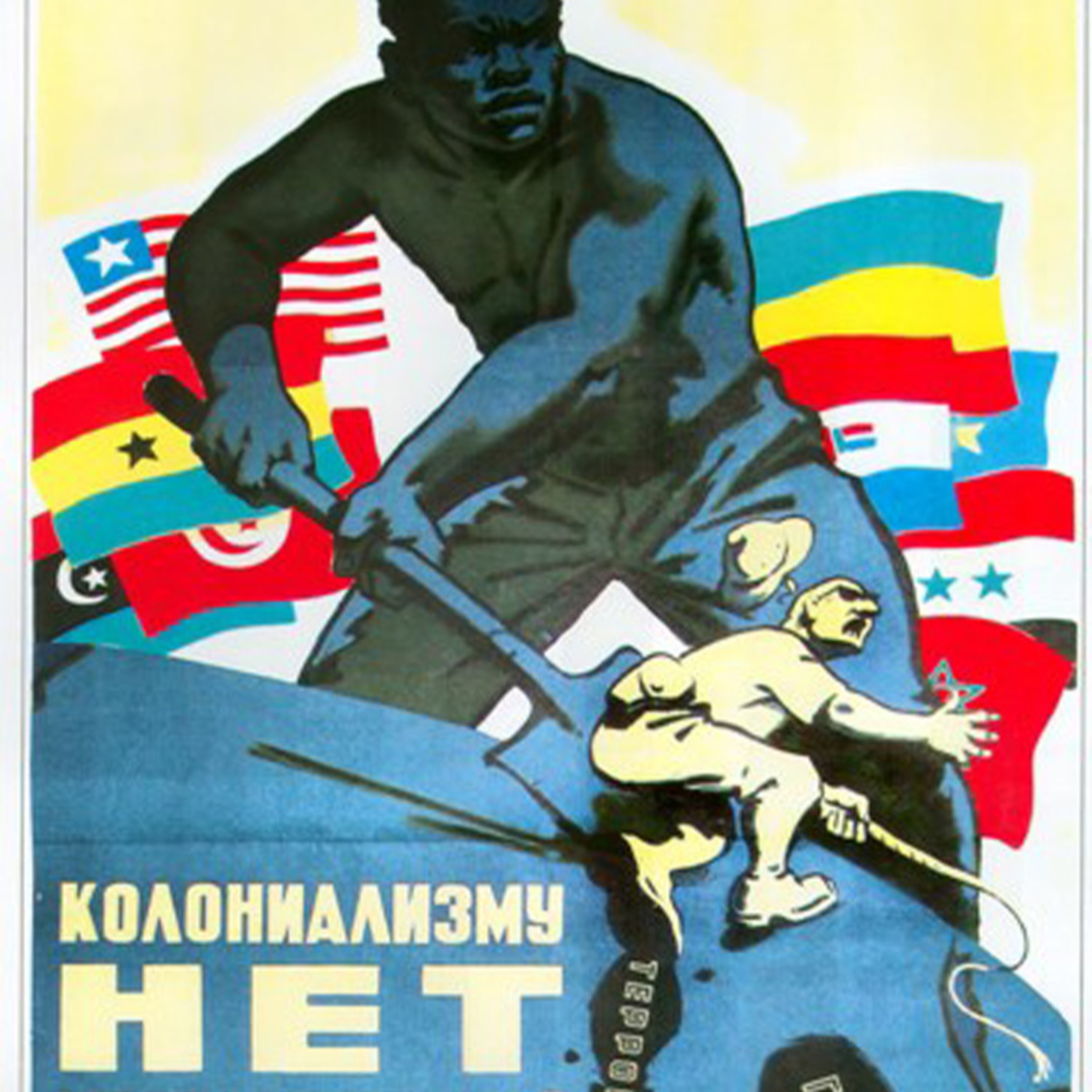
Episode 28: Decolonization and Ukraine with Geo Maher and Volodymyr Ishchenko
On this episode we discuss the ins and outs of decolonization - as a set of historical revolutionary politics, intellectual tradition, contemporary framework of analysis as well the limitations and misuses of "decolonization" in the context of Ukraine and Russia today.
To do this we have invited two distinct yet complimentary thinkers to put their ideas into conversation with one anoth
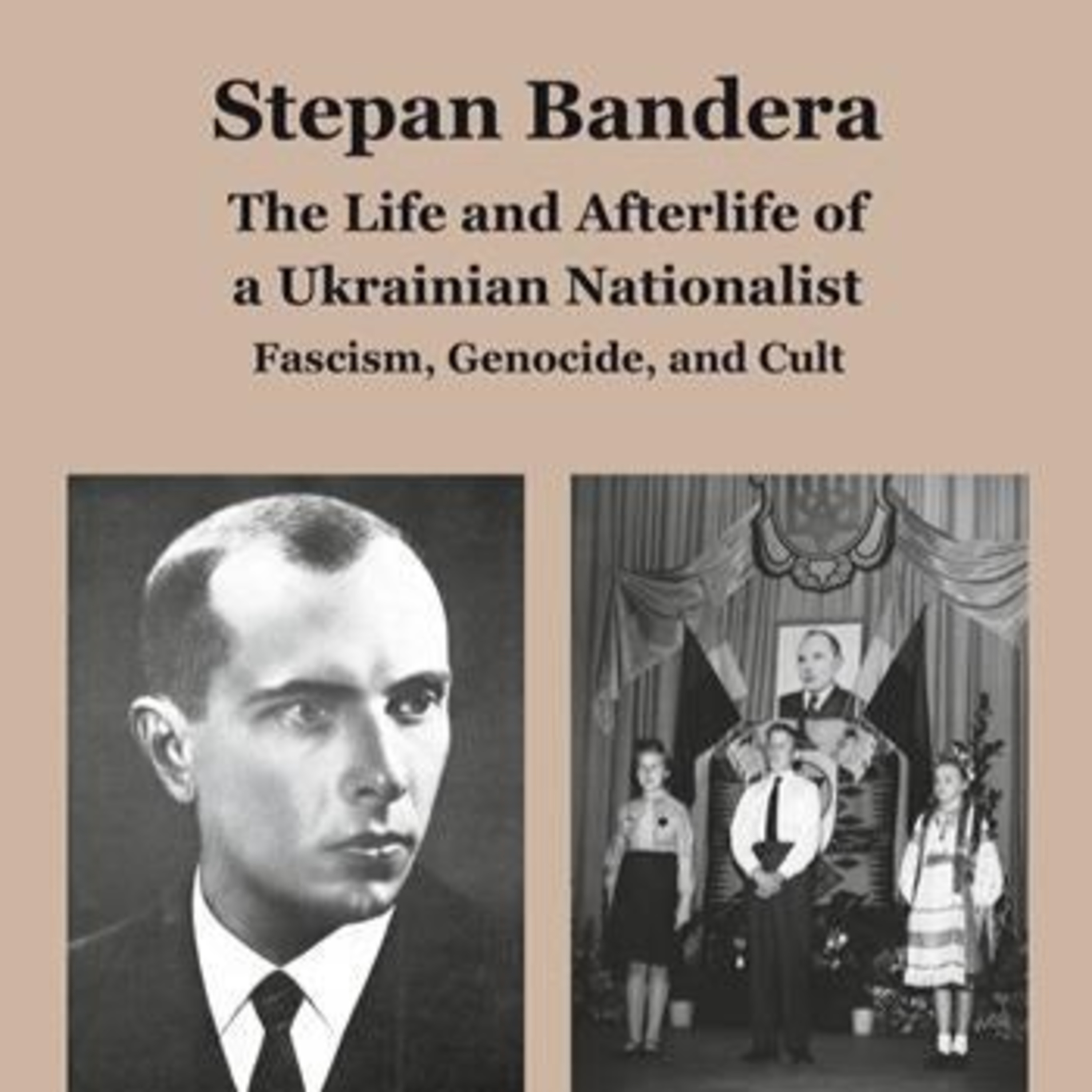
Episode 27: Stepan Bandera: The Life and Afterlife of a Ukrainian Nationalist, Fascism, Genocide, and Cult with Grzegorz Rossoliński-Liebe
In terms of post-Soviet memory politics, arguably no figure is more controversial than interwar Ukrainian nationalist Stepan Bandera. Since the Maidan uprising in 2014, his memory along with that of the Ukrainian Insurgent Army and Organization of Ukrainian Nationalists have been mobilized by both far right nationalists and the Ukrainian state - to varying degrees of success - to create a counter-

Episode 26: Improbable Nationalists? Social Democracy and National Independence in Georgia 1918-21 with Francis King
The Democratic Republic of Georgia - also known as the First Republic - existed between 1918-1921.
Under the control of veterans of the decades long social democratic movement both in the South Caucasus and the Russian Empire at large, these Georgian social democrats led by Noe Jordania were allied with the Menshevik wing of the Russian Social Democratic Labor Party. While the Georgian social dem

Episode 25: Workers, Labor and Cars in the Soviet Union with Lewis Siegelbaum
For decades, historian Lewis Siegelbaum has taught and written on the Soviet Union. While many historians of labor and the working class in the USSR narrowly focused on moments of resistance, Siegelbaum investigated other aspects of working class existence such as the meaning of Soviet working class identity, the labor process, factory life and consumption practices. Siegelbaum spent years studyin

Episode 24: Socialist Yugoslavia and Non-Alignment with Gal Kirn and Paul Stubbs
In this episode we discuss the histories, complexities and legacies of socialist Yugoslavia and non-alignment with contributor Gal Kirn and editor Paul Stubbs of the recently released book Socialist Yugoslavia and the Non-Aligned Movement: Social, Cultural, Political and Economic Imaginaries.
This discussion is a fascinating deep-dive into socialist Yugoslavia's system of self-management, its uniq

Episode 23: Collapse of the Soviet Union with Vladislav Zubok
How the Soviet Union came to an end in 1991, after its nearly seventy year existence, is a process and event still mired in controversy and debate. Historians, politicians, citizens of the post-Soviet world and beyond understand this epochal event in drastically different ways - was it the result of internal contradictions of the Soviet system? Did pressure from the capitalist world force th

Episode 22: Georgian and Soviet with Claire Kaiser
In this engaging and insightful conversation with Claire Kaiser, we discuss her new book Georgian and Soviet: Entitled Nationhood & the Specter of Stalin in the Caucasus.
Here's a description of the book:
Georgian and Soviet investigates the constitutive capacity of Soviet nationhood and empire. The Soviet republic of Georgia, located in the mountainous Caucasus region, received the same

Episode 21: Building Socialism in the Third World with Jeremy Friedman
This episode explores how, through the process of developing a model of socialism applicable in the Third World, local actors interacted with the Soviet Union, Warsaw Pact countries, China and the West. These political and economic interactions shaped not only the trajectory of these specific countries but of socialism globally. Our guest is Jeremy Friedman to discuss all of this and more with his
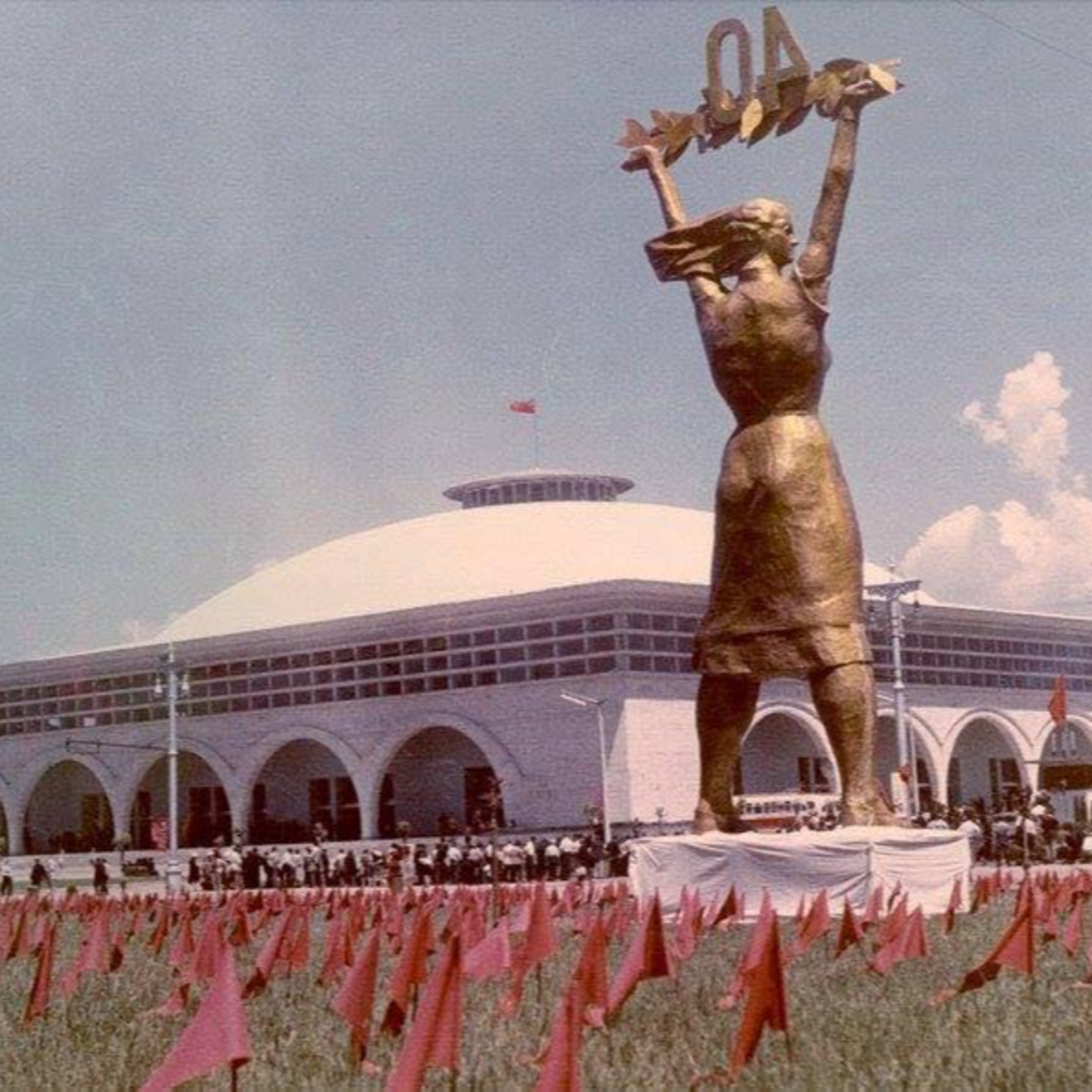
Episode 20: Lado Meskhishvili and Architecture in Soviet Georgia with Nini Palavandishvili
Highly lauded and acclaimed architect Vladimir (Lado) Alexi-Meskhishvili (1915-1978) worked on the designs of some of Soviet Georgia's most iconic buildings.
A partial list includes:
Sanatorium “Imereti”, Tskaltubo (1957),
Tbilisi Sports Palace, Tbilisi (1961),
Restaurant “Iori”, Tbilisi (1962),
Lower floor of Freedom Square metro station, (then “Lenin Square”),&nb
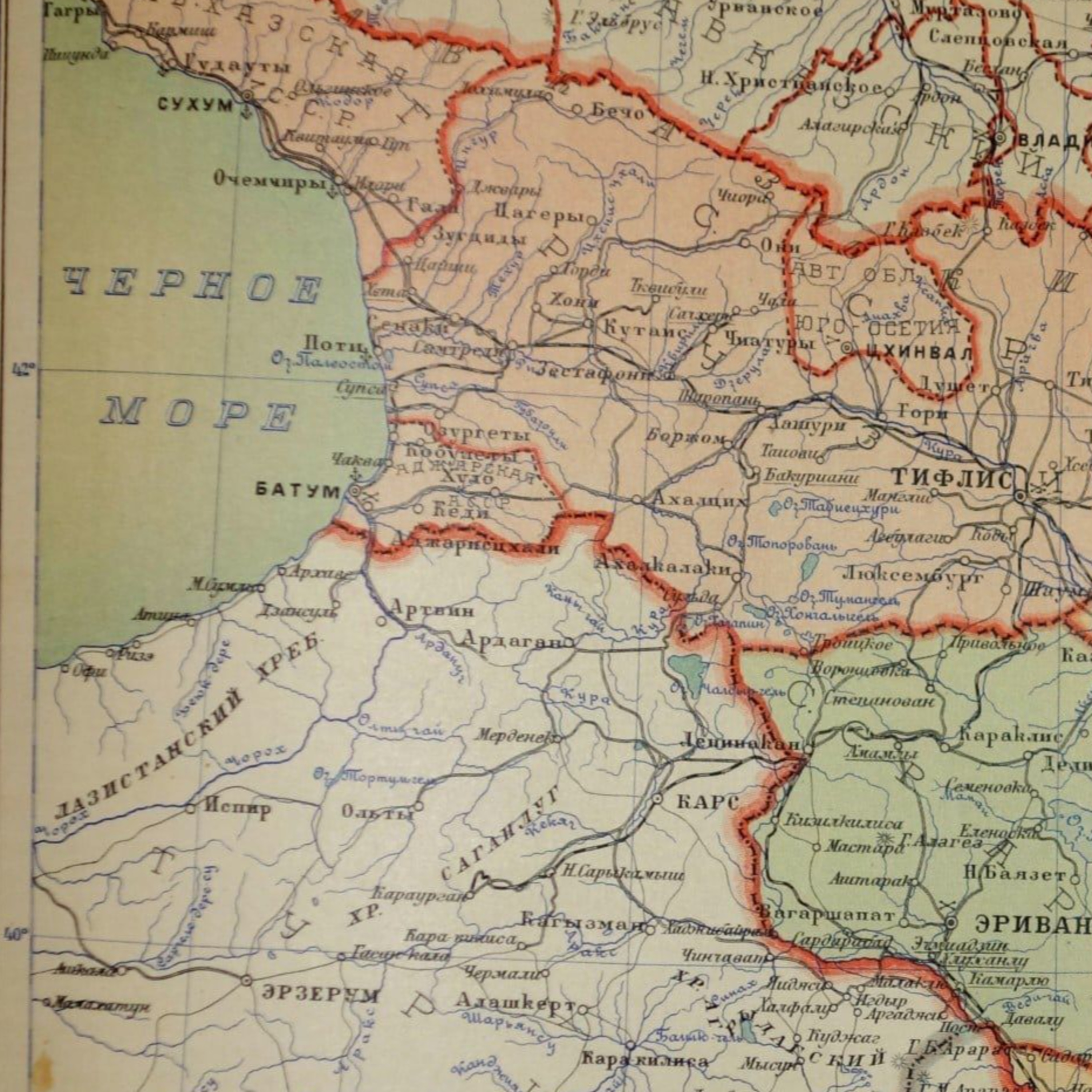
Episode 19: Soviet Georgia, Turkey and the South Caucasus Borderlands with Candan Badem
On this episode we have a wide ranging conversation with the illustrious historian Candan Badem who his an expert on the South Caucasus and in particular the borderlands between the Ottoman Empire and Imperial Russia in the 19th and early 20th centuries prior to the Russian Revolution. He has written on The Ottoman Empire in the Crimean War of the 1850s, Russian imperial administration in the city

Episode 18: Anastas Mikoyan and Soviet Armenia with Pietro Shakarian
Anastas Mikoyan was an incredible figure. An Armenian old Bolshevik whose career spanned decades all the way from active involvement in the Baku Commune of 1918 to playing a central role in the Cuban Missile Crisis in 1962. Mikoyan's role as First Deputy Premier under Khrushchev and architect of de-Stalinization and thaw-era nationality policies meant his career of policy making influenced the tra
Episode 17: Human Rights are Not Enough with Samuel Moyn
On today's episode we welcome Samuel Moyn, professor of Law and History at Yale, to discuss the political history of human rights and in particular how this relates to the Cold War, Soviet collapse, and neoliberalism as a politics in the post-Cold War era.
Here's an article by Samuel Moyn based on his book Not Enough: Human Rights in an Unequal World
https://www.thenation.com/article/archive/hu

Episode 16: The 2008 Russo-Georgian War with Gerard Toal
On this episode, we have a discussion with political geographer Dr. Gerard Toal about the 2008 August War that embroiled Georgia, Russia and South Ossetia in conflict, along with the contingencies and background that led to the fighting and what this event can tell us or not tell us about Russia's 2022 invasion of Ukraine.
Dr. Toal wrote a book in 2016 entitled "Near Abroad: Putin, The West and
Episode 15: The Criminalization of Communism in the European Political Space after the Cold War with Laure Neumayer
In this interview with French political scientist Laure Neumayer, we discuss how a particular form of anti-communist memory politics were mobilized and utilized by "memory entrepreneurs" in Europe following the Cold War. A particular interpretation of the socialist past was put up against official European memory of the 20th century as the EU enlarged into Eastern Europe. A mixture of anti-c

Episode 14: Managing Epidemics in Post-Soviet Georgia with Erin Koch
In this episode we sit down with anthropologist Erin Koch to have a conversation about the shifts in medical practices, treatments as well as epidemic management from the Soviet period to Post-Soviet period in Georgia through a discussion of her 2013 book Free Market Tuberculosis: Managing Epidemics in Post-Soviet Georgia. The shift to a market economy after the collapse of the Soviet Union radica

Episode 13: Women & Film in Early Soviet Georgia with Salome Tsopurashvili
One of the Soviet Union's most well known directors Mikhail Kalatozov was born as Mikhail Kalatoziashvili in Tiflis in 1903. Before releasing his more famous works such as Soy Cuba (1964) and The Cranes Are Flying (1957), or winning an award at the 1958 Cannes Film Festival, he along with Nutsa Gogoberidze (Soviet Georgia's first female director) co-directed their first film together - a documenta

Episode 12: Black Communists and the Soviet Union with Gerald Horne
On today's episode we sit down with prolific historian Dr. Gerald Horne to discuss the intimate political relationship in the 20th century between the Soviet Union, the Communist Party of the USA and Black political struggle in the United States. We discuss a number of topics including African American Marxists such as Paul Robeson - who Dr. Horne has written a biography on - as well as the role t
Episode 11: The Social Consequences of the end of Socialism with Kristen Ghodsee and Mitchell Orenstein
Kristen Ghodsee and Mitchell Orenstein have recently released a new book entitled "Taking Stock of Shock: The Social Consequences of the 1989 Revolutions" - this week we have both authors on as guests to discuss their new book, their methodological process, how to make sense of the social consequences of socialist collapse and how it relates to Georgia.
You can check out their new book's website

Episode 10: Navigating Nationalism, Russia and Research in Georgia with Archil Sikharulidze
In this episode we sit down with Tbilisi-based researcher and lecturer Archil Sikharulidze, who specializes in securitization, Georgia-Russia relations and more, to discuss the hurdles that dominant forms of nationalism pose to doing research on critical yet politically sensitive topics in Georgia.
His most recent article here on Georgian identity and the West is available here:
https://www.comm

Episode 9: Abkhaz Mobilization in the Georgian-Abkhaz War with Anastasia Shesterinina
On today’s show we welcome Anastasia Shesterinina to discuss her excellent new book Mobilizing in Uncertainty: Collective Identities and War in Abkhazia which, using hundreds interviews and extensive field research, explains how and why Abkhaz did or did not mobilize to fight in the war with Georgia in the early 1990s, and how to many Abkhaz as the war was beginning it came as an unexpected

Episode 8: Soviet Internationalism, Third World Marxism and World Literature with Vijay Prashad & Ian Almond
Our guests for today's episode are author, educator and journalist Vijay Prashad as well as world literature professor and author Ian Almond.
With Vijay Prashad, we discuss the basic idea of one of his recent books Red Star Over the Third World (2019, Pluto Press) - how the 1917 Russian Revolution and then the seventy year existence of the Soviet Union directly inspired Third World Marxism a
Episode 7: The Soviet World of Soviet Georgians with Erik Scott
We discuss the book Familiar Strangers: The Georgian Diaspora and the Evolution of Soviet Empire with the author Erik Scott and much more.
In the book, Scott discusses the unique opportunities Soviet Georgians were afforded due to their position within Soviet society as a coherent, institutionalized nationality. Unlike other histories that touch on Georgia, or nationality within the USSR, Scott's

Episode 6: National Narratives and Implications of Independence with Katie Sartania
On today’s episode, we sat down with Georgia based writer and researcher Katie Sartania. In April of this year, Katie wrote an excellent article entitled “Struggle and Sacrifice: Narratives of Georgia’s Modern History” which critically interrogates the role of Georgian nationalism and independence in the post-Soviet period, and how narratives of independence politically overshadow pressing social

Episode 5: Desire and Boredom in Soviet Socialism with Keti Chukhrov
On today’s episode, Sopo Japaridze and Beka Natsvlishvili have an engaging discussion with philosopher Keti Chukhrov. Keti was born in Soviet Georgia in the 1970s and since then has gone on to write articles and books touching subjects such as art criticism, philosophy, political theory and more.
Sopo, Beka and Keti discuss the premise of her recent book Practicing the Good: Desire and Boredom in

Episode 4: The First Republic with Stephen F. Jones
During the Russian Civil War, between May 1918 and February 1921, the Democratic Republic of Georgia – known as the First Republic - was a nominally independent state controlled by social democrats. These Georgian social democrats were Mensheviks. Formally, Menshevism and Bolshevism were two distinct wings of the empire wide Russian Social Democratic Labor Party. In the decades leading up to

Episode 3: Stalin, Social Democracy and Georgia with Ronald Grigor Suny
Ronald Grigor Suny’s decades long career as a historian transformed historiography of the Soviet Union by centering the nation and nationality. He did this with special attention to the nations of the South Caucasus - Armenia, Azerbaijan and of course, Georgia. Suny’s analysis focused on how nationhood is a constructed product of history, and imagined, not a primordial, essential, ethnic community
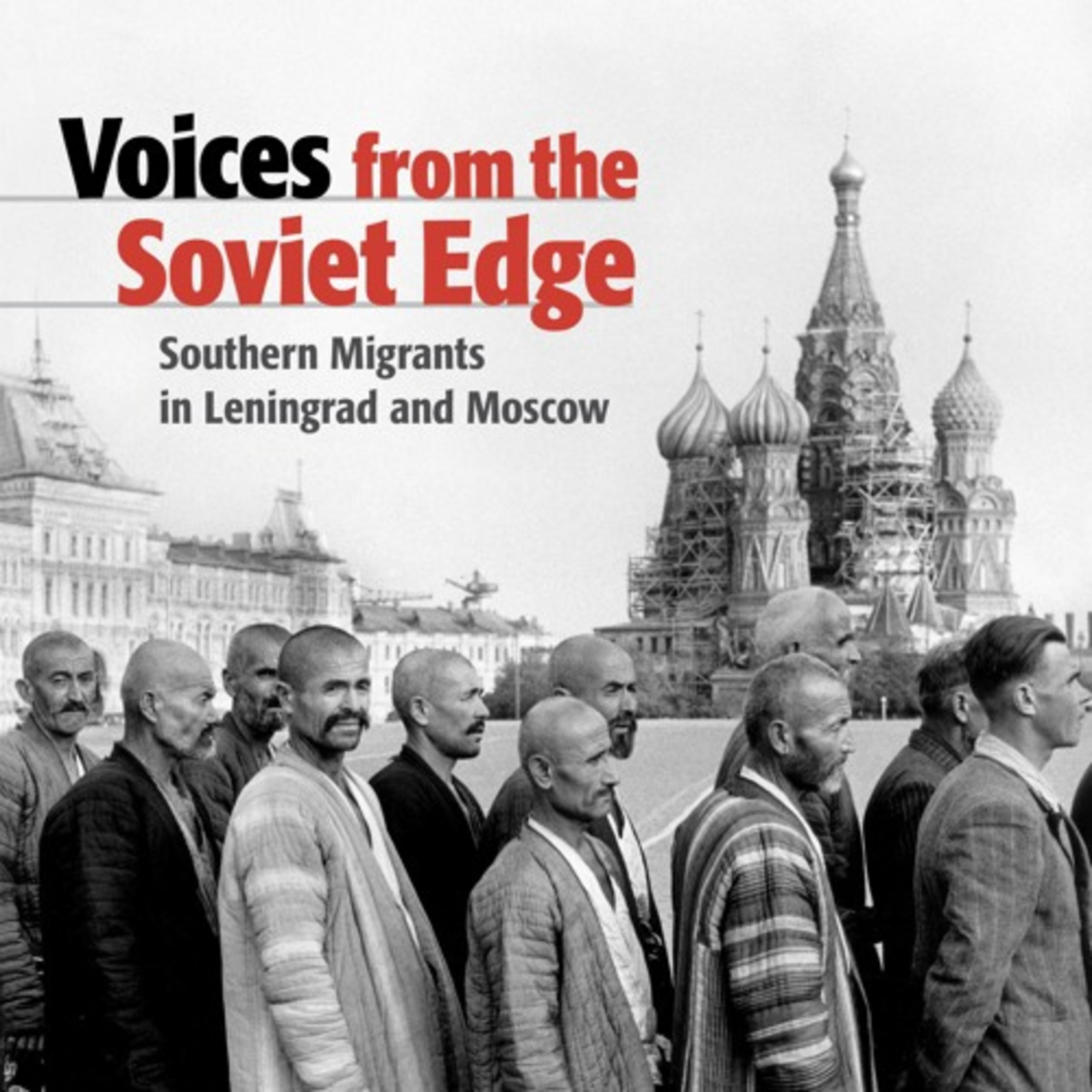
Episode 2: Soviet Georgian Migrants, Memory and Rivers with Jeff Sahadeo
During the late USSR, thousands of people from Soviet Georgia relocated to both Leningrad and the all-Soviet capital, Moscow. Many left Soviet Georgia to study in universities, for job placements or other career opportunities. Some of these people stayed, while others returned. Some went to Leningrad and Moscow as traders of fruits or flowers, using trade networks and access to desirable goods in
Episode 1, Part II - Academic and Political Freedom in Georgia with Beka Natsvlishvili
In Episode 1, Part II we interview Beka Natsvlishvili, professor and former MP in Georgia to discuss the use of anti-Soviet memory politics in Georgia and the implications this has on political development and debate in the country. Beka shares his own experiences in both the university setting and as a politician in Georgia to shed light on the real uses and misuses of Georgia's Soviet experience
Episode 1, Part I - The State of Soviet History in Georgia with Timothy Blauvelt
Episode 1 - The State of Soviet History in Georgia
In this episode we explore how Soviet History and its legacies in Georgia are generally understood and approached today in academia, politics, the NGO sector and society at large.
In Part I we interview Timothy Blauvelt - professor of History at Ilia State University in Tbilisi, Georgia. Teaching in Georgia for almost 19 years he has produced a
Episode 0: Introduction to Reimagining Soviet Georgia
Welcome to the first, introductory podcast of Reimagining Soviet Georgia!
We are a new, multigenerational, multilingual, Tbilisi based collective. Our goal is to reexamine and rearticulate the history of Soviet Georgia by producing and supporting critical research, including oral and written histories, and a podcast for both Georgian and English speaking audiences.
By documenting the perspectives